
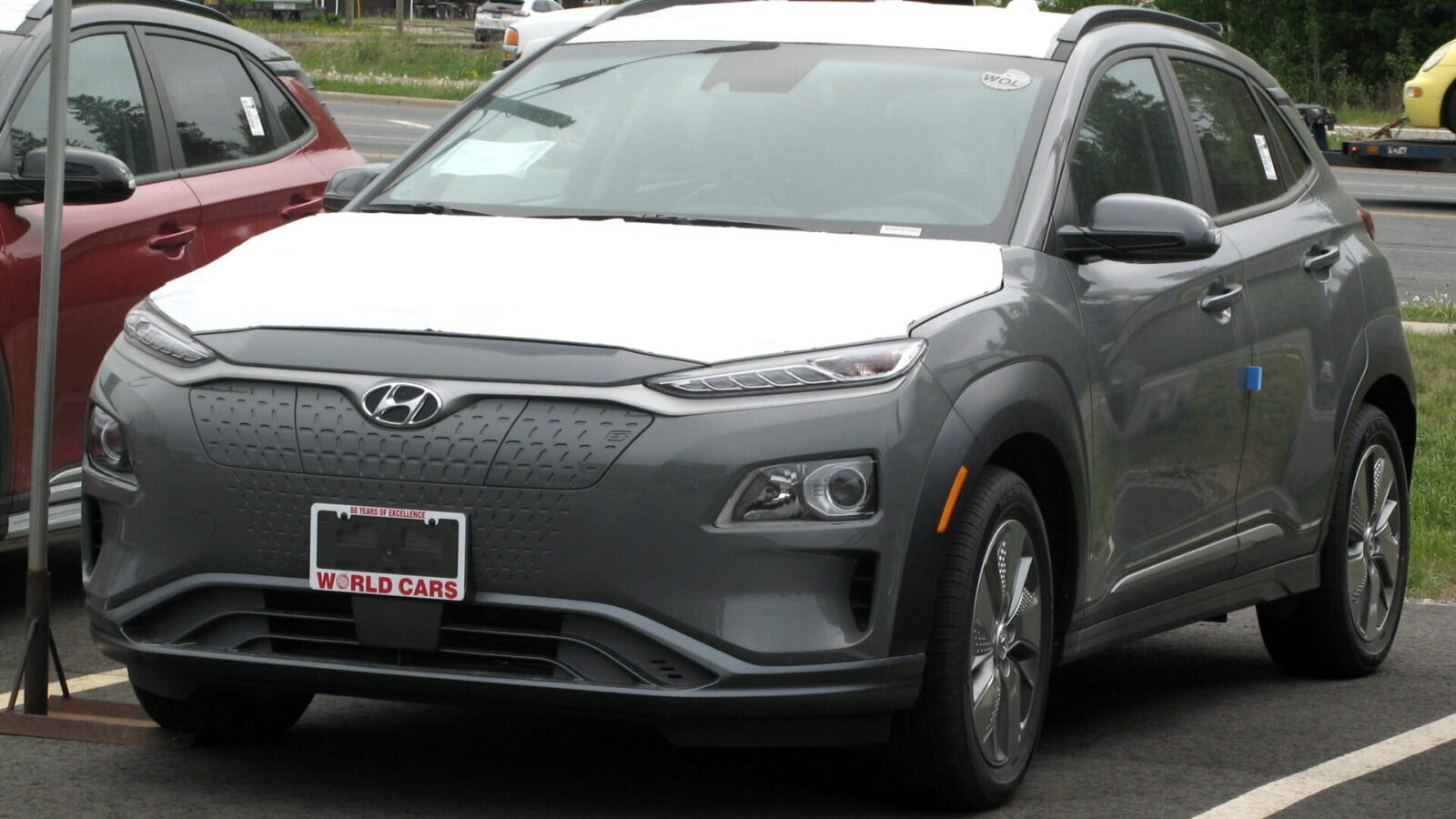
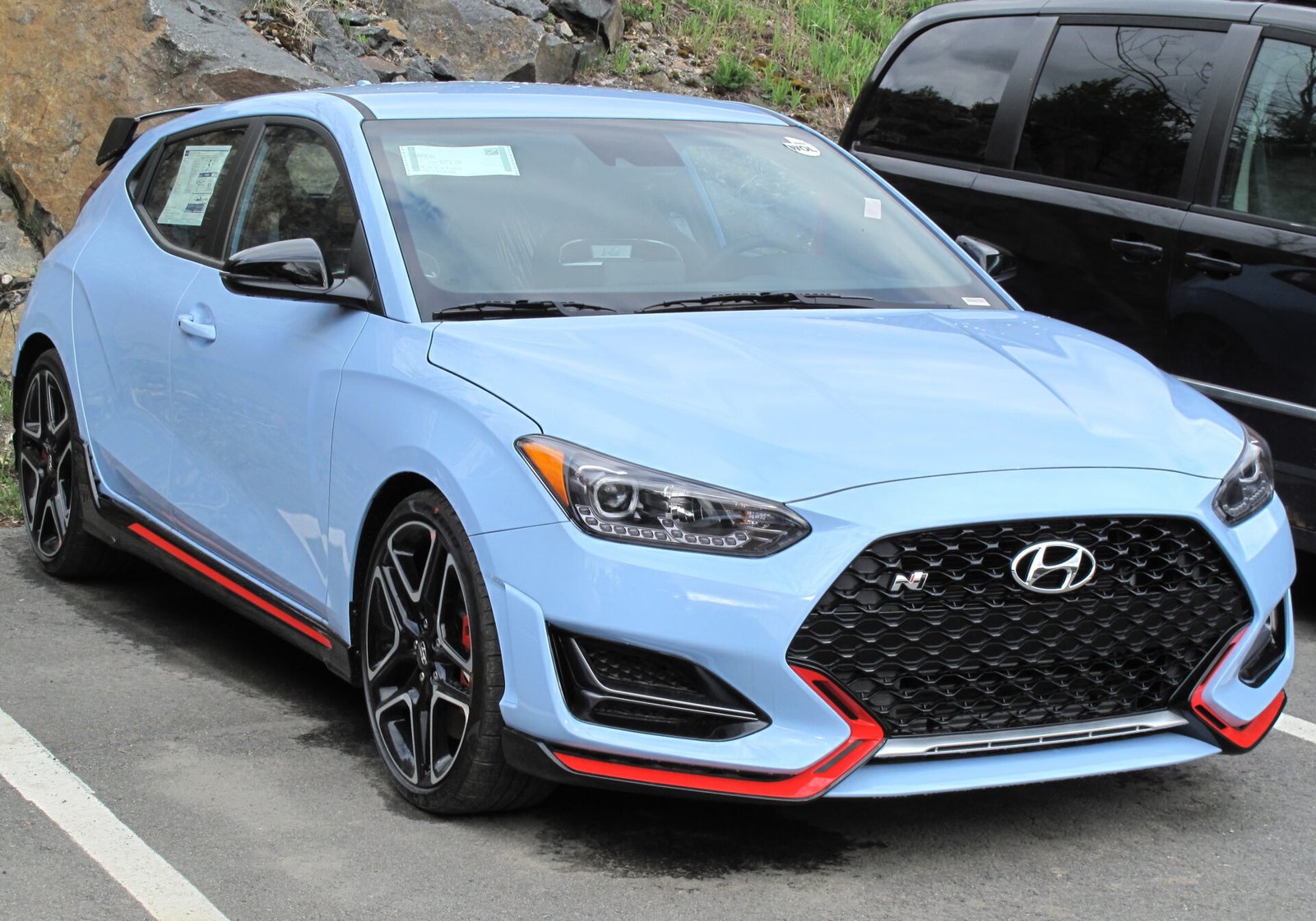
Hyundai Motor America is recalling 37,901 vehicles in the United States because a software error could disable airbags and seat belt pretensioners when they are needed in a crash. The recall affects certain 2019–2023 Kona Electric sport-utility vehicles and 2019–2022 Veloster N hatchbacks, according to a November 2, 2026 National Highway Traffic Safety Administration (NHTSA) filing.
The automaker says it has received 331 U.S. incident reports associated with the condition, spanning October 2019 through September 2026. As of its October 22 recall decision, Hyundai reported no crashes, fires or injuries associated with the problem. The absence of reported injuries does not eliminate the safety risk.
Which Hyundai vehicles are covered?
| Vehicle model | Model years | Vehicles |
|---|---|---|
| Hyundai Kona Electric | 2019–2023 | 29,058 |
| Hyundai Veloster N | 2019–2022 | 8,843 |
| Total | — | 37,901 |
Not every vehicle made in those model years is included. Hyundai’s filing identifies production ranges of August 28, 2018–July 26, 2023, for the Kona Electric and September 6, 2018–August 18, 2022, for the Veloster N. The official NHTSA VIN lookup is the proper way to determine whether an individual vehicle is covered.
How could a software error prevent crash protection?
The vehicles use an airbag control unit, or ACU, to evaluate crash signals and instruct the airbags and seat belt pretensioners to activate. Hyundai found that data can become corrupted if the ACU reboots or experiences a power interruption while writing information into its internal memory.
Hyundai’s federal recall report states that this condition can illuminate the airbag malfunction warning light and deactivate the airbag system. Airbags and pretensioners that do not activate as intended can increase the risk of injury in a crash. The report estimates that about 1% of the recalled population may have the defect, but Hyundai is recalling all 37,901 potentially affected vehicles.
What Hyundai’s investigation found
Hyundai opened an investigation in August 2024 after noticing an increase in warranty claims involving airbag warning lights. Working with supplier ZF, it examined returned control units, fault codes and electrical-stress conditions. The supplier could induce a fault on a test bench but was unable to reproduce the condition during vehicle-level testing, the federal chronology says.
Hyundai expanded the investigation to additional model years after identifying other applications that used the same airbag-control-unit software. On October 22, 2026, it decided to conduct the safety recall. The notice was submitted to NHTSA on November 2.
Free dealer repair and reimbursements
Hyundai says authorized dealers will install updated ACU software at no charge, even if a covered vehicle is outside the original new-vehicle warranty. The revised software preserves the last known valid data if an internal data transfer is interrupted.
Owners who previously paid to correct the recall condition may qualify for reimbursement under Hyundai’s plan. Owner notification letters are currently expected January 1, 2027. Drivers should not assume the repair can be performed at home: Hyundai’s specified remedy requires a dealership visit.
Owners can check their VIN using the NHTSA recall search or Hyundai’s recall service. Hyundai customer service can also be reached at 1-855-371-9460. The company’s campaign number is 311; NHTSA’s recall number is 26V728.
If the airbag warning light remains illuminated, drivers should contact a Hyundai dealer promptly for diagnosis and instructions. The NHTSA notice does not issue a general “do not drive” directive for this recall.
Why the recall matters
Today’s restraint systems depend on software as well as sensors and mechanical equipment. This case shows how a data-integrity problem—rather than a damaged airbag—can affect protection during a collision. The documented risk is serious even without reported crashes or injuries connected to the condition.
For owners, the practical steps are straightforward: verify the VIN, arrange the no-cost dealership update if the vehicle is covered, and keep repair documentation. For regulators and Hyundai, the remaining question is how quickly the update reaches the potentially affected fleet.
Video and original sources
Watch: “Hyundai Recalls” on YouTube. This video is supplementary; recall facts above are attributed to Hyundai’s federal filing.
- NHTSA Part 573 safety recall report 26V728 (Hyundai Motor America, submitted November 2, 2026).
- Car and Driver: Hyundai Recalls 38K Vehicles Over Faulty Airbags and Seatbelts (November 2026).
- 2021 Kona Electric photograph, source and license.
- 2022 Veloster N photograph, source and license.