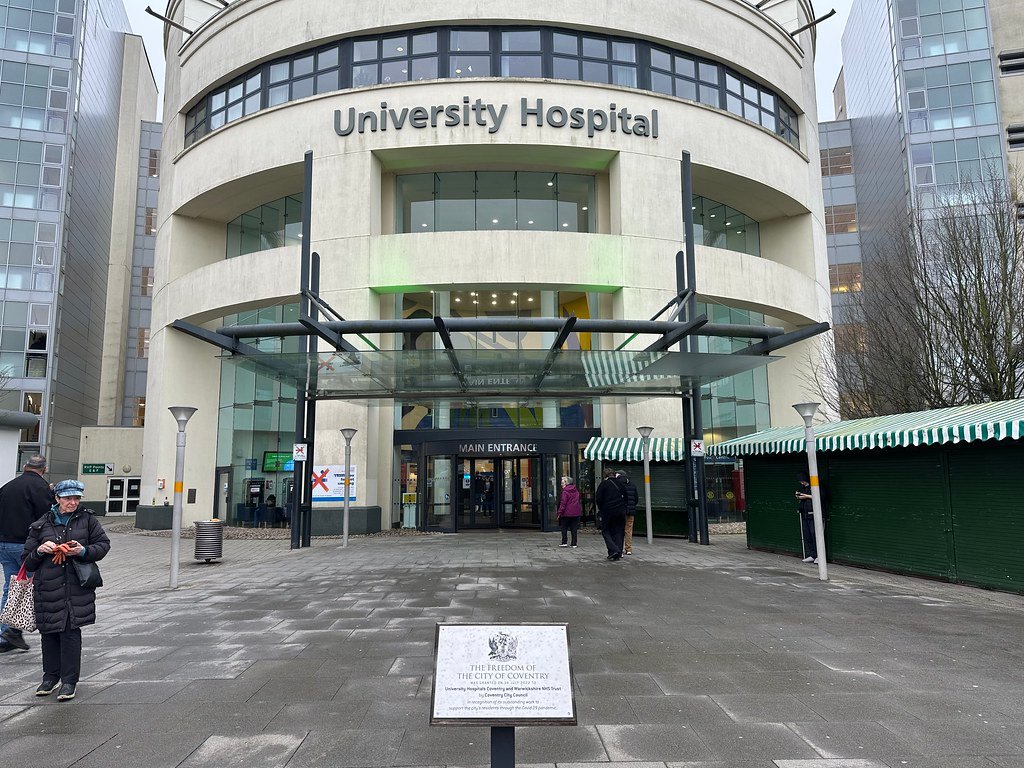
COVENTRY, England — An independent review of brain-tumor care at University Hospitals Coventry and Warwickshire NHS Trust found patients were kept on chemotherapy far beyond accepted guidance, some were treated following incorrect diagnoses, and clinicians failed to adequately explain or challenge treatment decisions. The findings, published November 18, 2026, have prompted calls for an independent public inquiry.
The Royal College of Physicians reviewed 20 patient cases. It rated 15 cases unsatisfactory and said the remaining five required improvement. None received a good-practice rating. The review was commissioned by the NHS trust following concerns about treatment overseen by retired clinical oncologist Professor Ian Brown. The Independent and ITV News reported the findings.
Years of chemotherapy and missed safeguards
The cases involved the drug temozolomide, or TMZ, used in the treatment of certain brain tumors. In one reported case, a patient received more than 100 treatment cycles over approximately 13 years before an original diagnosis was found to be incorrect. Other patients experienced prolonged drug exposure, including serious side effects. The Guardian reported a case in which a supposed glioblastoma diagnosis was later identified as a lower-grade pilocytic astrocytoma.
The findings also raised concerns about informed consent. Some patients were told that stopping chemotherapy would be fatal even when the clinical evidence did not support that claim, according to reporting on the review. Prolonged exposure matters because temozolomide can cause serious adverse effects, including blood-count abnormalities, liver injury and, in some circumstances, secondary malignancies. These are recognized risks in U.S. prescribing information.
The reviewed 20 cases are not a count of every potentially affected person. Law firm Brabners said November 18 that it was representing more than 45 people and believed others could be affected. The firm is seeking a full public inquiry to determine how the failures persisted and who else might need review.
The hospital apologizes and widens its investigation
University Hospitals Coventry and Warwickshire NHS Trust chief executive Professor Andy Hardy and chair Sue Noyes apologized to patients and families. In a statement reported by ITV News Central, the trust acknowledged that some patients suffered harm and that opportunities to challenge treatment decisions were missed.
The trust said it had internally reviewed all living patients currently receiving TMZ and was arranging independent external review of living patients who received more than 12 cycles under Brown. It has widened its historical review back to 2005 and opened discussions with NHS England about how to examine the records of deceased patients who received nonstandard treatment. It also cited changes to multidisciplinary clinical oversight and staff reporting processes.
Brown was identified by the trust as the retired clinician at the center of the review. The Royal College of Physicians said he did not take up an opportunity to participate in its investigation, according to ITV. The review’s critical findings do not, by themselves, establish criminal intent or a criminal conviction.
What is a standard course of temozolomide?
There is no single chemotherapy schedule for every brain tumor. The U.S. National Library of Medicine’s DailyMed prescribing information describes six maintenance cycles after combined radiation and temozolomide for newly diagnosed glioblastoma, and 12 cycles of adjuvant therapy for newly diagnosed anaplastic astrocytoma. Other indications and treatment circumstances can follow different regimens.
A course that goes beyond a labeled schedule is not automatically improper. It requires a documented rationale, monitoring, continuing assessment of likely benefit and a patient’s informed agreement. The Coventry review’s concern was not simply the number of cycles: it was prolonged therapy without adequate evidence of benefit, compounded by diagnosis, consent and oversight failures.
The documented U.S. parallel: the Farid Fata case
In Michigan, a different and separately adjudicated case demonstrated how dangerous unnecessary cancer treatment can be. On July 10, 2015, federal judge Paul D. Borman sentenced Detroit-area oncologist Farid Fata to 45 years in prison after he pleaded guilty in a healthcare fraud scheme. According to the U.S. Department of Justice, the scheme included medically unnecessary infusions or injections administered to 553 patients and roughly $34 million in fraudulent insurance claims.
Fata admitted prescribing unnecessary chemotherapy and other treatments to increase reimbursement from Medicare and private insurers. His conduct was prosecuted and established through a guilty plea. The UK findings must not be described as an equivalent fraud conviction: the available Coventry review identified clinical failures and patient harm, but did not establish the same financial motive or criminal scheme.

What patients and regulators still need to know
The number of people affected by the Coventry treatment decisions remains unsettled. The full implications for patients who have died also require investigation. A public inquiry has been demanded by patients’ representatives, but the reporting reviewed for this article does not confirm that an inquiry has been formally ordered.
The case illustrates why cancer treatment oversight cannot depend on one clinician alone. Independent pathology review where appropriate, clearly explained treatment goals, multidisciplinary discussion, repeated evaluation of drug benefit and accessible channels for staff concerns are safeguards that matter in Britain and the United States alike. Patients worried about their own chemotherapy should speak with their oncology team or seek a qualified second opinion rather than stop treatment on the basis of a news report.
Sources and further reporting
- The Independent, November 18, 2026: calls for a public inquiry
- Brabners, November 18, 2026: review findings and patient representatives’ statement
- ITV News Central: NHS trust’s response and planned reviews
- The Guardian: patient cases and review findings
- U.S. Department of Justice: Farid Fata sentencing, July 10, 2015
- DailyMed: temozolomide drug label
Featured image: University Hospital, Coventry. Photo: hazelnicholson / Flickr, CC BY 2.0. Archival exterior image; it does not depict an individual patient or treatment session. Reported by Khemetic.News from published records and attributed reporting; no firsthand patient interviews were conducted for this article.