WASHINGTON — November 21, 2026. Strict school cellphone restrictions that make smartphones inaccessible during the school day were associated with modest improvements in student reading and math achievement, according to a national analysis released November 17 by researchers at Harvard University, Dartmouth College and NWEA. The findings add new evidence to a debate that has prompted school districts and state lawmakers to restrict phone use, though other research has found weaker academic results.
The team examined achievement growth among approximately 3.3 million students at 4,600 U.S. schools during the 2021–22 through 2025–26 academic years. Schools using lockable phone pouches showed an estimated annual improvement of about 0.01 standard deviations in math and reading growth compared with matched schools, the authors reported. They translated that small statistical difference into the equivalent of roughly one to two additional weeks of learning per year—not literal extra days added to school calendars. Harvard’s research announcement details the results.
What the Harvard-led research measured
The study used NWEA MAP Growth assessment data from districts across 49 states and Washington, D.C., covering students in grades 3 through 10. Researchers compared changes in individual students’ scores before and after schools adopted strict policies requiring phones to be secured in lockable Yondr pouches for the school day, against growth at similar comparison schools.
The estimated gain was modest, but the researchers found it appeared in the first year of pouch restrictions and persisted in their data for as long as three years. They reported broadly similar effects across grade levels and socioeconomic groups, while cautioning that the longer-term consequences are still unknown. Their analysis of statewide restrictions in 2025–26 was more tentative because existing academic trends could have influenced the comparisons.
A 0.01-standard-deviation effect is small in any single academic year. Research leader Thomas Kane told Harvard’s EdCast that even modest gains might matter if they accumulate, but said researchers do not yet know how long those gains last.
Why another major study reached a less encouraging conclusion
A separate nationwide study involving researchers from Stanford, Duke, Michigan and other institutions found that locking phones away reduced device use and eventually improved some reported measures of student well-being, but brought little overall change in test scores or attendance over the period examined. The research, discussed in a November 2 Stanford summary and initially released earlier in 2026, found limited academic benefits in some high school measures, especially math.
The studies differed in their datasets, standardized assessments and statistical approaches. As the Associated Press reported, Stanford education economist Thomas Dee cautioned that the Harvard study’s estimates were small and sensitive, and that only a few years of post-ban evidence are available.
What a phone-free school policy looks like
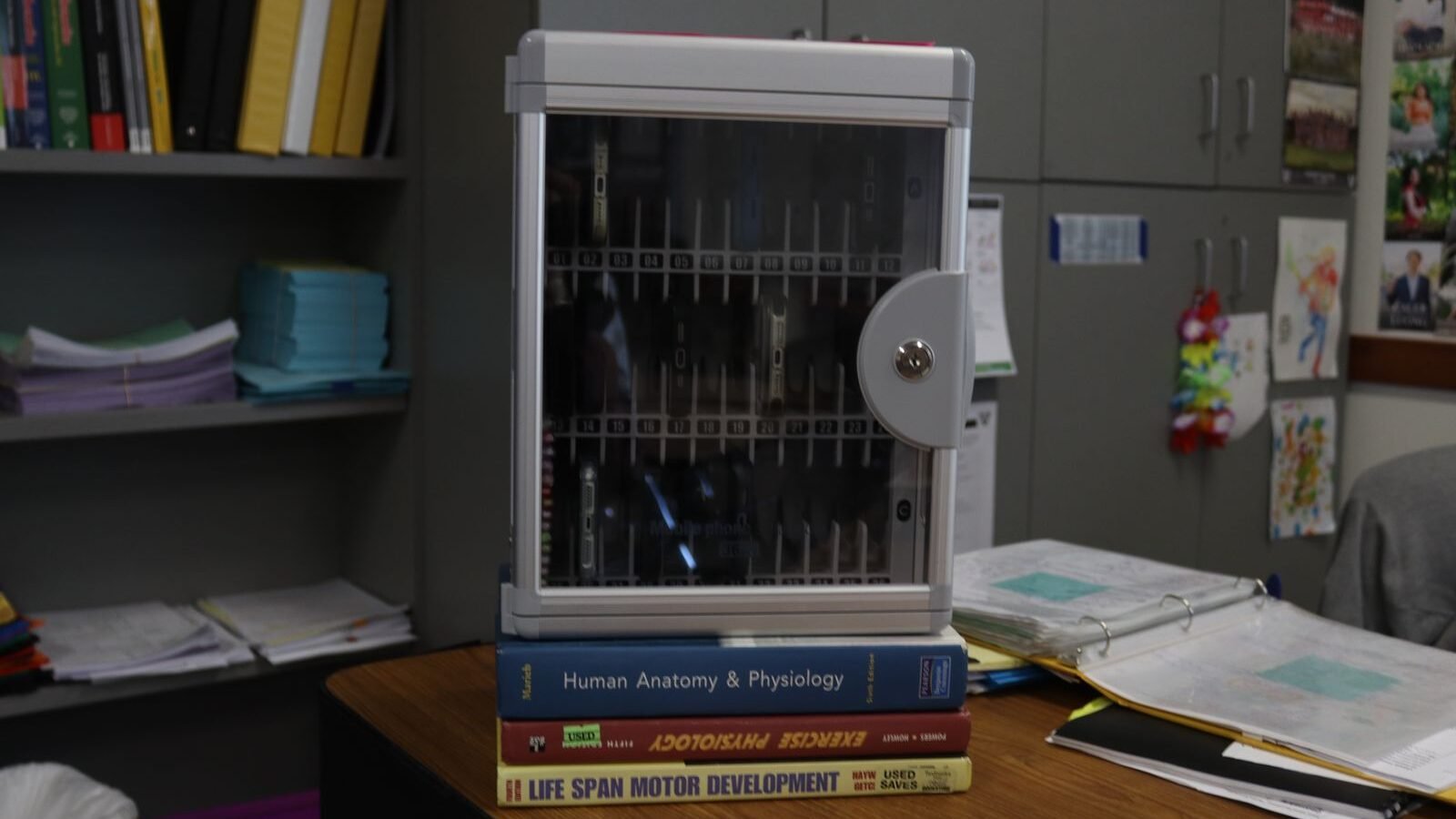
The Harvard analysis focused on strict, enforceable limits rather than simply posting a rule against using phones. Some schools use magnetic locking pouches that students carry, while others collect phones in secure storage. Those are distinct approaches, and the study’s results should not automatically be assumed to apply equally to every type of restriction.
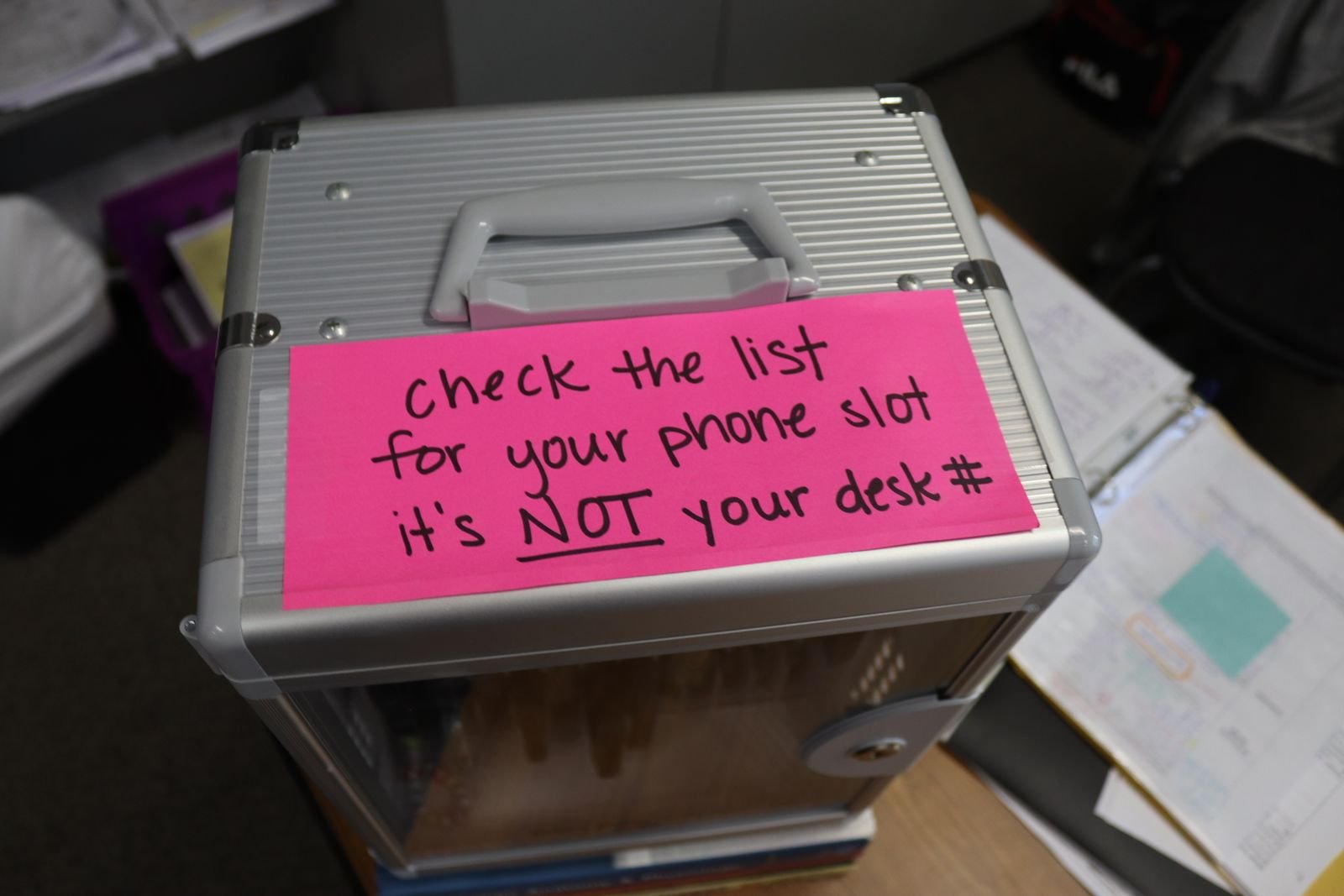
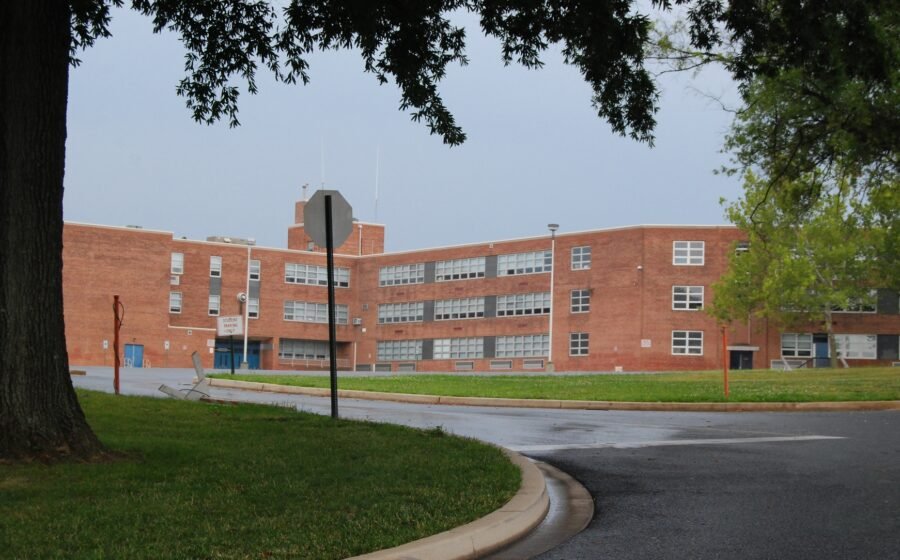
The accompanying featured photograph shows the locker itself. Both images are from a Texas high school in October 2026; neither depicts the research participants or the specific pouch policy being evaluated.
What families and educators still need to know
Phone restrictions can affect communication between students and caregivers, emergency procedures, accessibility needs and school operations. Districts must plan for permitted exceptions and reliable ways families can reach children. The new achievement analysis does not establish how all of those tradeoffs play out in different schools.
It also cannot resolve how students’ out-of-school smartphone and social-media use affects learning. Studying in-school bans is more feasible than tracing private device use across evenings, weekends and homes. The Harvard researchers emphasized that additional research and better data are needed.
Bottom line: The newest evidence supports a possible but small academic benefit when phones are genuinely inaccessible during school hours. Because the studies are observational and earlier findings were mixed, it would be premature to present phone bans as a proven, stand-alone solution to declining test scores.
Sources and further listening
- Harvard Center for Education Policy Research, November 17, 2026 — study announcement and results
- Harvard CEPR — Phone-Free Schools and Achievement Growth research report and methodology
- Stanford Report, November 2, 2026 — contrasting national evidence
- Associated Press, November 2026 — independent comparison and researcher responses
- Harvard EdCast, November 19, 2026 — Thomas Kane audio interview and transcript