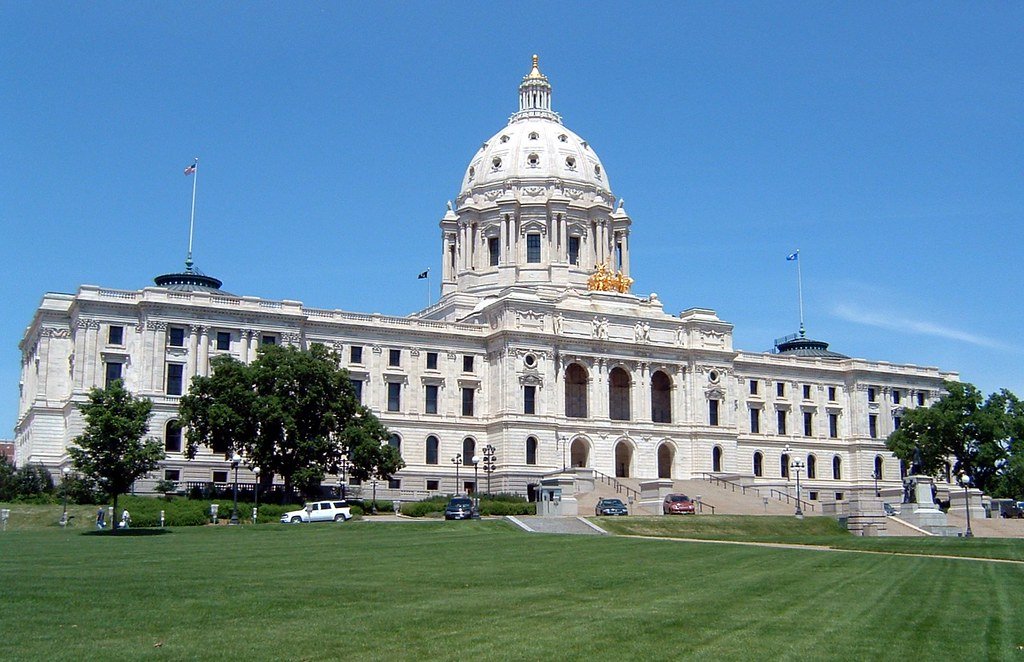
ST. PAUL, Minn. — Minnesota lawmakers are expected to revisit whether parents should be allowed to claim non-medical exemptions from childhood vaccination requirements in the 2027 legislative session. The Minnesota Medical Association wants to remove those exemptions as childhood vaccination rates decline and measles cases rise. No such repeal has become law.
The debate was reported by KSTP 5 Eyewitness News on November 19. It places parental decision-making, religious and conscientious beliefs, and protection against outbreaks at the center of a state policy debate.
What the current Minnesota law actually says
Minnesota’s school immunization statute, section 121A.15, generally requires specified immunization documentation for children attending covered schools and child care programs, but it allows exemptions. The Minnesota Department of Health identifies two options: a medical exemption supported by a signed health care provider statement, or a non-medical exemption supported by a signed, notarized statement describing conscientiously held beliefs.
Existing law remains in force. A medical association’s legislative priority is not an enacted requirement, and the details of any future bill will matter to families.
What happened to the 2026 proposal?
Senate File 3439, sponsored by Sen. Liz Boldon, was narrower than a blanket prohibition: it proposed ending the conscientious-belief exemption for the measles, mumps and rubella (MMR) vaccine in covered school and child care settings while retaining medical exemptions.
The Senate Health and Human Services Committee recommended the amended bill on March 18, 2026 and referred it to the Education Policy Committee, according to legislative records. It did not become law. Whether a 2027 measure targets only MMR or more vaccines remains a question until legislation is introduced.
Declining coverage and rising measles cases
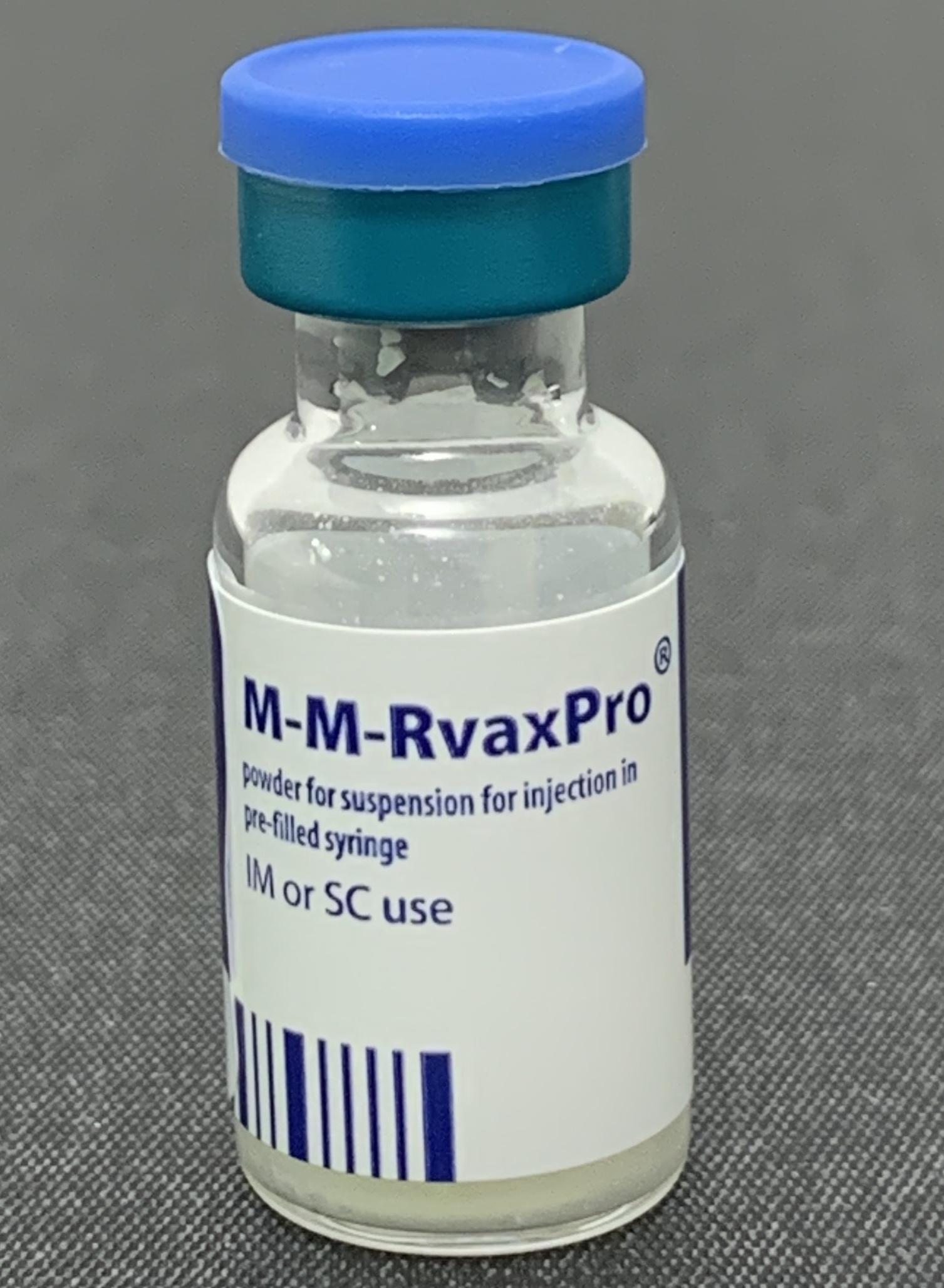
The Minnesota Medical Association reported that statewide MMR vaccination coverage among kindergarten students fell from 86.5% in 2024–25 to 85.7% in 2025–26. Public-health officials generally cite about 95% two-dose MMR coverage as a useful population benchmark for preventing measles outbreaks, though local risk depends on how people are exposed and vaccinated.
Johns Hopkins’ International Vaccine Access Center lists the state’s 2025–26 kindergarten non-medical exemption rate at 6.8%. That measure covers exemptions from at least one required vaccination; it does not mean every child with an exemption received no vaccines.
Minnesota’s health department reported 80 measles cases as of October 29, 2026, the state’s highest annual total since 1990. The agency also addressed the loss of U.S. measles elimination status on November 17. These developments are part of the public-health case for raising immunization rates.
What supporters and opponents say
Medical advocates argue that broader vaccine coverage protects infants and people who cannot receive certain vaccines for medical reasons. Supporters say limiting non-medical exemptions could reduce the likelihood of preventable disease transmission in classrooms and child care centers.
Opponents argue that conscientious exemptions protect family choice and freedom of conscience. Written testimony and public comments at the March 17 Senate hearing also raised concerns about whether medical-waiver standards would recognize all circumstances that parents consider significant. Such concerns are policy arguments, not evidence that a specific medical exemption was medically warranted.
Both perspectives appear in the official committee hearing record, which provides the complete context for the proposed MMR change.
What families should watch in 2027
Families should watch for the text of any newly introduced bill, the list of vaccines it covers, the treatment of existing non-medical exemptions and any provisions governing medical waivers. Until the Legislature enacts a change, Minnesota families may continue using the exemption procedures described by the Department of Health.
Official hearing video
Watch Minnesota Senate Media Services’ March 17, 2026 Health and Human Services Committee hearing (SF 3439 discussion begins near 32:32). Official legislative recording; historical hearing, not a 2027 vote.