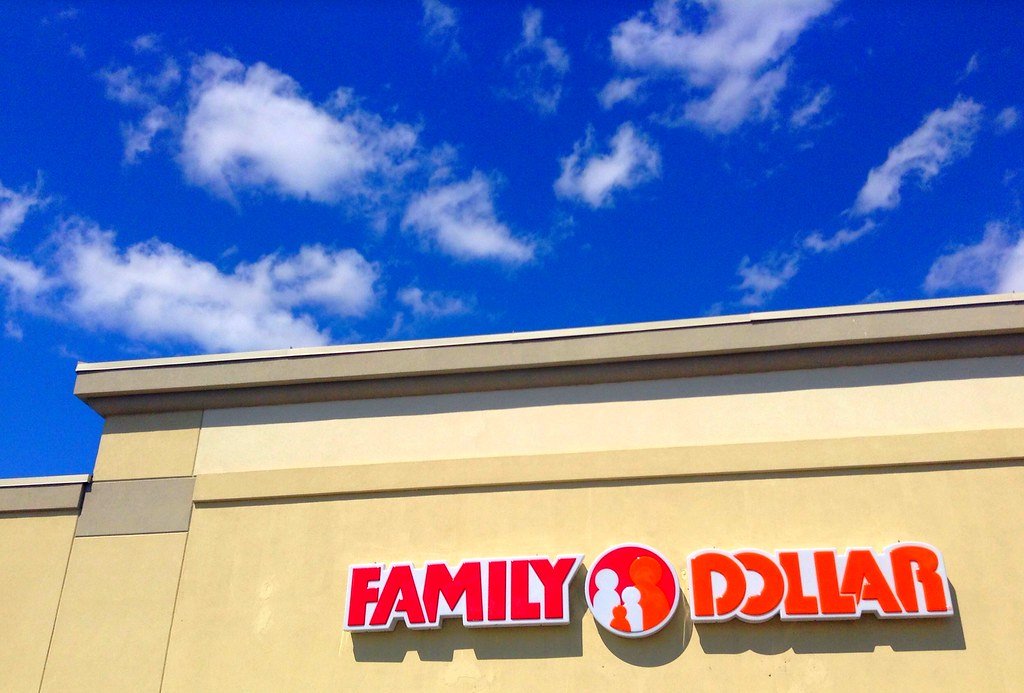
WASHINGTON, Nov. 15, 2026 — Family Dollar has agreed to a proposed $63 million settlement with the Federal Trade Commission and 17 states over allegations that customers were repeatedly charged more at checkout than the prices advertised on shelves, in stores and online. The agreement, filed Nov. 12 in federal court in Virginia, still requires a judge’s approval.
The proposed resolution includes $40 million for consumer restitution, $20 million in future customer discounts and approximately $3 million for the states. The allegations concern a pattern of pricing discrepancies, not a finding that every Family Dollar location overcharged customers.
Update, Nov. 17: Who may qualify for refunds and when
Case status, Nov. 17, 2026: The FTC case page continues to list the Family Dollar matter as pending. The terms below come from a proposed federal court order filed Nov. 12, not an already-operating refund program. Deadlines that run from entry of the order would begin only if a judge signs it.
Who may be eligible: The proposed order defines an “Eligible Consumer” as anyone who made at least one purchase from Family Dollar from Jan. 1, 2023, through Oct. 1, 2026. It does not limit this definition to shoppers living in the 17 states bringing the case. The planned claims form would let shoppers attest to qualifying purchases and provide the identifying details needed for payment, subject to FTC approval of the final form. Individual refund amounts and a live filing start date have not been announced in the FTC case record.
How claims would work: Within 14 days after a court order takes effect, Family Dollar would have to establish the $40 million consumer redress fund and post settlement notices in stores and on its website and app. It would have to establish a claims process within 30 days of that order. Once FTC-approved claim forms become available, eligible shoppers would have up to 180 days to submit them. An independent administrator would have up to 30 days to review a submitted form, with payments to approved claimants made on a rolling basis, up to the fund’s $40 million limit.
What the $20 million discount means: A separate consumer discount program would offer 15% off qualifying goods or services for two consecutive days, excluding alcohol, tobacco, gift cards and other prepaid cards. The program would have to be completed within 90 days after entry of the order, with advance notice at least 14 days before it begins and FTC review of its terms. The $20 million figure describes the total value of those discounts, not an additional cash-refund fund; previously planned store promotions cannot be counted toward it.
Required changes in stores: The proposed pricing program includes a policy to honor the lowest advertised price, provide a price adjustment or refund when a shopper is overcharged, train store personnel and verify that shelf labels match checkout systems. An Nov. 16 statement by the Alabama attorney general confirmed that state’s participation in the multistate enforcement action; it did not announce court approval or an open claims portal.
For shoppers now: Keep any available receipts or screenshots of advertised prices and follow updates from the FTC case page and Family Dollar’s official notices. Do not pay an upfront fee or submit financial information to an unofficial settlement website.
What the proposed settlement requires
Under the proposed order, Family Dollar would have to stop misrepresenting prices and put in place a pricing-accuracy system. That system would require regular price checks, staff training, prompt corrections and independent review with annual certification, according to the FTC’s announcement.
Eligible consumers would receive redress through a $40 million fund. The company would also provide $20 million in discounts. Those provisions should not be mistaken for payments that have already reached shoppers: the court must approve the order, and the company must notify consumers of eligibility and the claims process.
What regulators allege
The FTC and state officials say price problems persisted despite complaints, inspections and earlier enforcement action. Their court case record describes allegations involving shelf tags, store advertisements, the retailer’s website and its mobile coupons. The agency said these mismatches can have an outsized effect on households shopping with tight budgets.
Regulators cited years of complaints and failed price inspections. The alleged conduct is described in the complaint; it should not be characterized as a final judicial finding. Family Dollar has agreed to settle without admitting or denying the allegations, according to Associated Press reporting.
What shoppers should do next
Customers should keep receipts when a checkout total differs from a posted promotion and watch for official eligibility notices on Family Dollar’s channels or from the FTC. An unsolicited request for banking details or an upfront fee should not be assumed to be a legitimate settlement process.
The FTC brought a separate pricing case against Dollar General in October; that lawsuit remains distinct and pending. For Family Dollar, the next decisive step is court review of the proposed order and, if approved, implementation of its refund, discount and compliance provisions.
Sources and documents
FTC news release, Nov. 12, 2026 · FTC Family Dollar case and filings · Associated Press, Nov. 13, 2026 · Proposed stipulated order, Nov. 12, 2026 · Alabama attorney general, Nov. 16, 2026.