DETROIT — General Motors has agreed to pay $220 million to resolve claims that it collected and sold sensitive information about drivers through its discontinued OnStar Smart Driver program. The agreement, announced October 29, 2026, follows a multistate investigation into how detailed driving and location data moved from connected vehicles to data brokers and, ultimately, insurance companies.
The coalition includes 36 attorneys general from 35 states and Washington, D.C. It alleged that millions of customers were enrolled between 2016 and 2024 without adequate disclosure or informed consent. GM’s settlement resolves the states’ allegations; it is not a finding that GM admitted legal wrongdoing. New York Attorney General settlement announcement.
What OnStar Smart Driver recorded
The Smart Driver feature was promoted as a tool for motorists to understand their driving habits. According to the states’ investigation, its data collection included:
- The number and timing of trips
- Hard braking and rapid acceleration events
- Driving above posted speed limits
- Detailed trip and location information
Investigators said GM sold data to commercial brokers under contracts specifying its use in insurance-related products. Insurers buying those reports could then incorporate the information into decisions about premiums. The investigation does not show that every Smart Driver enrollee had a premium increase; the effect on any particular policyholder depends on the insurer and the data used.
Why the enrollment process drew scrutiny
Many drivers encountered Smart Driver when they bought a vehicle and enrolled in GM’s OnStar connected services. State investigators said some dealerships used a single registration process for both services and alleged that employees sometimes accepted customer terms without authorization.
The states also described dealership incentives that rewarded connected-service enrollments. The New York Attorney General reported that the OnStar app incorrectly told more than 370,000 drivers they were not enrolled in Smart Driver even though their information was being collected and sold. Arizona Attorney General announcement.
Could this information raise insurance costs?
Driving records may be used by insurers to evaluate risk. The New York Attorney General cited a case reported by The New York Times in which a driver was told a 22% insurance premium increase was connected to driving information provided by a data broker. That example illustrates a possible consequence; it is not an estimate of how much premiums rose for GM owners as a whole.
The larger consumer concern is whether drivers understood that details about their trips, behavior and location could be transferred outside the automaker for secondary commercial uses.
What the settlement requires
In addition to the $220 million payment to participating jurisdictions, the agreement requires GM to strengthen data privacy protections. State officials described restrictions on certain collection and disclosure practices, internal privacy reviews, independent assessments, and dealership oversight and training aimed at preventing enrollment without meaningful consent.
The settlement amount is payable to states and the District of Columbia. It should not be described as a $220 million automatic refund fund for every individual GM driver. The Michigan Attorney General and Washington Attorney General provide further details about the multistate action.
An earlier federal order already placed restrictions on GM
The state agreement is separate from a Federal Trade Commission order finalized January 14, 2026. That order bars GM from sharing certain geolocation and driver-behavior data with consumer reporting agencies for five years.
Over the order’s 20-year duration, it also requires consumer protections including affirmative express consent for covered connected-vehicle data practices, subject to exceptions, and ways for consumers to access or seek deletion of their information and limit certain data collection.
GM ended the Smart Driver program in 2024
GM said it stopped sharing data with LexisNexis and Verisk on March 20, 2024, and announced the end of Smart Driver in April 2024. In a statement reported after the multistate settlement, GM said the agreement addresses a discontinued product and reinforces steps it has taken to improve privacy practices. Source: Engadget, October 2026.
What connected-car owners can do
Owners concerned about connected-vehicle data can review their account and privacy settings, ask their automaker what data is retained or shared, and request available access or deletion rights. They can also ask insurers and consumer reporting agencies what outside information was used in coverage or pricing decisions. Current features and rights vary by vehicle, state law and service.
Consumers can consult GM’s Privacy Center and the FTC’s explanation of its order. Disabling a connected service may affect legitimate safety and convenience functions; it also does not automatically reverse earlier data transfers or insurance decisions.
A larger question for connected vehicles
Cars can now generate a revealing record of everyday life: where people travel, how often they drive and patterns in their behavior. GM’s settlement highlights why consumer consent and transparency matter before information collected for one purpose is used for another. The next question is how effectively the new safeguards will be enforced.
Sources and documentation
- New York Attorney General — settlement announcement, Oct. 29, 2026
- Arizona Attorney General — multistate settlement, Oct. 29, 2026
- Federal Trade Commission — final order, Jan. 14, 2026
- GM — Smart Driver discontinuation, Apr. 24, 2024
- Washington Attorney General — multistate settlement
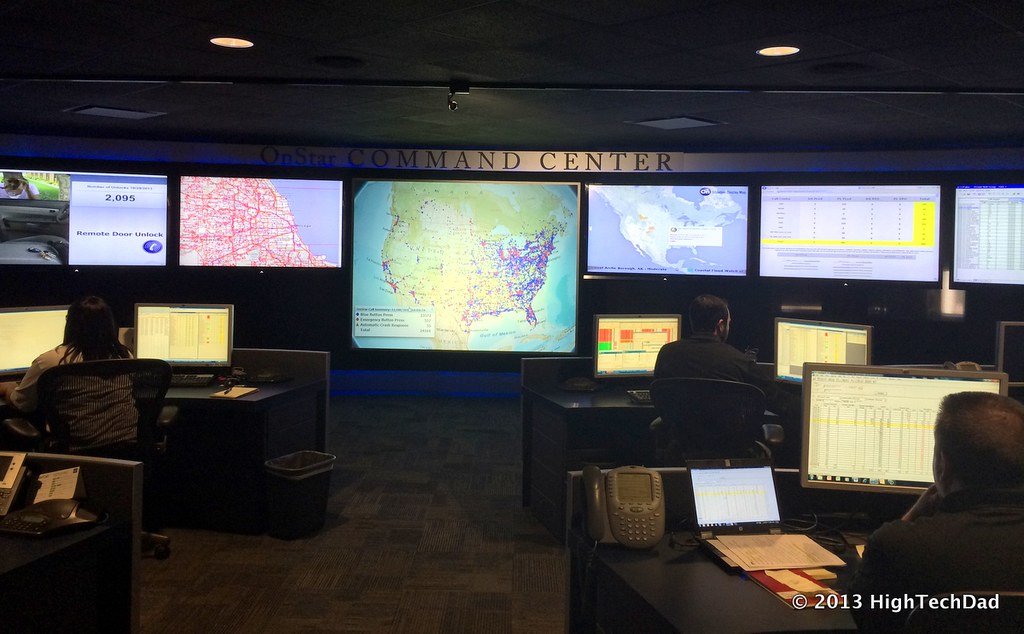
Media note: Featured photo is an archival view of OnStar-equipped controls in a 2018 Chevrolet Tahoe (photo: HighTechDad, CC BY 2.0), not an image of the Smart Driver program itself. The reporting is based on public documents and attributed statements; Khemetic.News did not witness the events firsthand.