HUMBOLDT COUNTY, California — Five Northern California property owners have secured a settlement ending millions of dollars in threatened cannabis-related code-enforcement penalties and requiring changes to Humboldt County’s procedures. The settlement, announced August 24, 2026, was followed by the county supervisors’ October 27 adoption of two reform ordinances.
The dispute centered on notices alleging illegal cannabis cultivation and unpermitted structures. The owners, represented by the nonprofit Institute for Justice, argued that the county relied on old aerial imagery, attributed past owners’ conduct to new purchasers and left residents waiting years for hearings while financially devastating fines hung over their property.
The county agreed to pay $350,000 toward specified costs and lawyers’ fees and to rescind the covered violation notices. The Institute for Justice said its five clients faced about $9.45 million in potential penalties. The county denied wrongdoing, and the settlement is not a judicial finding that every allegation against the county was true. The signed settlement and the county’s public statement establish those distinctions.
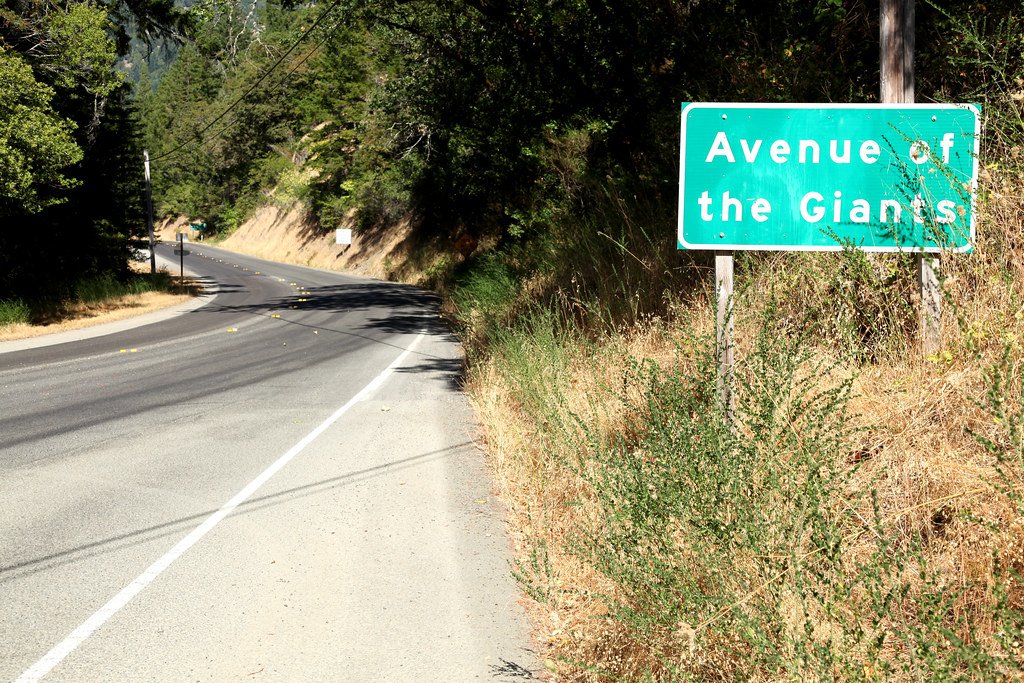
Featured photograph: Avenue of the Giants, Humboldt County, photographed by Jeremy Weate, CC BY 2.0 (license). This is an archival location photograph of the redwood region, not a photograph of the plaintiffs’ home.
How a Redwood Dream Home Became a Million-Dollar Dispute
Corrine and Doug Thomas moved to Humboldt County after a wildfire destroyed their previous Southern California home. They purchased a property near the Avenue of the Giants in 2021, expecting a quieter life among the redwoods. Instead, shortly after taking ownership, they received a notice concerning earlier cannabis-related activity attributed to the previous owner.
The notice threatened penalties of $12,000 per day, potentially reaching $1.08 million over 90 days, and raised the prospect of removing an outbuilding. According to the Institute for Justice’s case history, the couple maintained that they had not grown cannabis on the property and faced demolition costs estimated at more than $180,000.
Another plaintiff, Rhonda Olson, faced proposed penalties exceeding $7 million in connection with parcels she bought after earlier owners had used the land. Blu Graham said the county treated his greenhouses and a water-catchment pond, used for gardening and fire protection, as suspicious cultivation infrastructure. Cyro Glad was also among the five plaintiffs.
What the Homeowners Challenged
The homeowners alleged that Humboldt County’s enforcement program imposed unusually severe penalties for land-use violations tied to suspected cannabis cultivation, sometimes based on satellite imagery rather than an inspection or direct evidence of an ongoing grow. They challenged the timing of hearings, vague notices, restrictions on corrective permits and the treatment of subsequent purchasers.
County code enforcement has a legitimate public purpose, including addressing environmental impacts, unpermitted construction and unsafe land uses. The lawsuit did not establish that all permit requirements or cannabis-related enforcement are unlawful. The central questions were whether particular residents had been properly accused and whether the process and threatened fines met constitutional standards.
The Ninth Circuit’s Decision — and Its Limits
In December 2024, the U.S. Court of Appeals for the Ninth Circuit reversed major parts of a district court’s dismissal. The appellate court held that the landowners’ excessive-fines claims were fit for judicial consideration even though the owners had not first paid the penalties or completed the county’s prolonged administrative process.
The decision allowed significant constitutional challenges to proceed, but it did not decide that the county was ultimately liable for every claim. In an August 25 statement, Humboldt County stressed that the ruling concerned whether the allegations were sufficient to move forward, not a final judgment after trial.
What the Settlement and New Ordinances Change
The August settlement and the October 27, 2026 legislative action provide concrete reforms:
- Notices and warning letters: The county must better describe alleged violations and provide an advance warning process for suspected cannabis violations.
- Time to respond: A 30-day warning period allows owners to present evidence before a formal violation notice in applicable cases.
- Administrative hearings: Deadlines limit how long the county can wait to schedule and hold an appeal hearing, subject to specified exceptions.
- Penalties: The reworked rules address when serious daily penalties begin to accrue and provide greater authority to set appropriate amounts.
- Previous owners’ conduct: New purchasers generally cannot be charged for a prior owner’s cannabis violation unless cultivation continues beyond the specified period after transfer.
- Permits: The amended provisions clarify paths to unrelated and corrective permits even when certain violations remain unresolved.
Ordinances 2796 and 2797 were approved by the Humboldt County Board of Supervisors on October 27. The county has also published a notice on its code-enforcement page confirming that earlier notices against the named property owners have been rescinded.
The County’s Position
Humboldt County denies fault or liability. In its statement reported by Lost Coast Outpost, the county said it settled to avoid the cost, delay and uncertainty of further litigation. Officials also said they had begun revising cannabis enforcement before the settlement, citing a decline in illegal commercial cultivation and changes already made in 2025.
That explanation is relevant to the public record: an agreement to change policy is not the same as an admission that every earlier action was unlawful. The homeowners and their lawyers, meanwhile, view the settlement and appellate precedent as important protections against large, unresolved administrative penalties.
What the Case Means for Homeowners
The Humboldt case shows how unresolved permitting disputes can complicate property purchases, future development and household finances. A prospective buyer may need to examine title records, permit history and any pending enforcement actions, particularly on rural property with old structures or land alterations.
The appellate decision has wider significance for when threatened excessive penalties may be challenged in federal court within the Ninth Circuit. The settlement itself, however, is not a nationwide abolition of fines, and its direct obligations apply to the parties and covered county procedures.
Under the agreement, the federal court may retain oversight of enforcement for a defined period. The next public test will be whether the revised ordinances produce clearer notices and more timely hearings for property owners.
Watch: Institute for Justice Explains the Case
Watch: VICTORY — Homeowners Saved From $10,000-a-Day Fines (Institute for Justice, YouTube)
Primary Documents and Further Reading
- Humboldt County: October 27 ordinance adoption and attachments
- Humboldt County: Official notice withdrawing violation allegations
- Executed settlement agreement, August 2026
- Ninth Circuit: Thomas v. County of Humboldt, December 30, 2024
- Institute for Justice: Case history and litigation documents
- Humboldt County’s response, reported August 25 by Lost Coast Outpost
- Jefferson Public Radio: Independent August 27 reporting