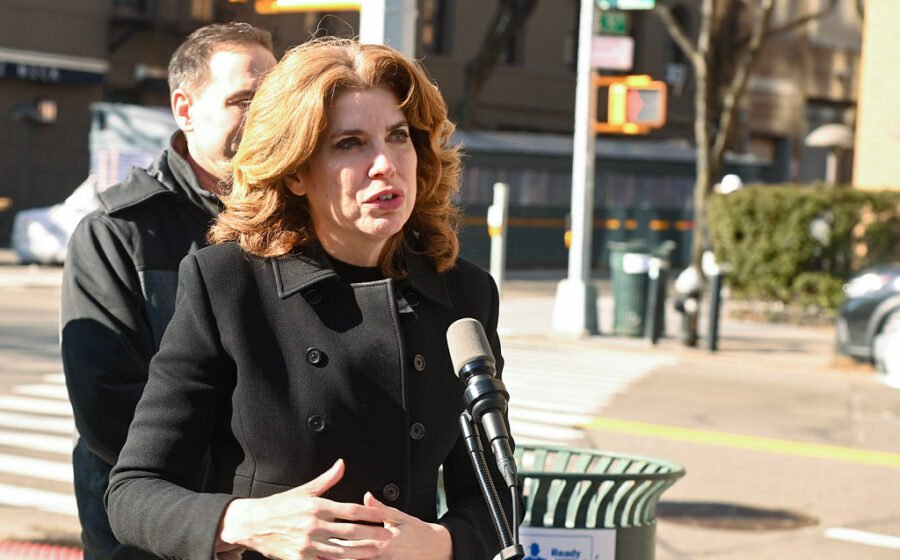
NEW YORK, Nov. 17, 2026 — New York City has outlined a plan to help carriage drivers, stable workers and license holders adapt as the horse-drawn carriage industry heads toward a 2028 phaseout. Mayor Zohran Mamdani’s administration said Tuesday that the framework includes job training, education and financial assistance, but the complete transition plan is still being developed.
According to the mayor’s November 17 announcement, the city intends to establish a Horse Carriage Worker Industry Program serving approximately 200 affected people. The city describes this as a framework, rather than a fully funded list of individualized benefits or completed placements.
What workers would receive
The Department of Small Business Services would manage the program, with LaGuardia Community College operating training and education services. The proposed support includes career counseling, tuition assistance, employer connections, entrepreneurship resources, and routes into technical and professional careers. The administration also says it will pursue a medallion buyback program for owners.
Important financial details remain unsettled. The November 17 statement does not establish an individual buyback price, a universal stipend amount or guaranteed replacement employment for every affected worker. Officials say the full plan will be released by April 2027 with input from workers, labor representatives and the City Council.
The law and the timeline
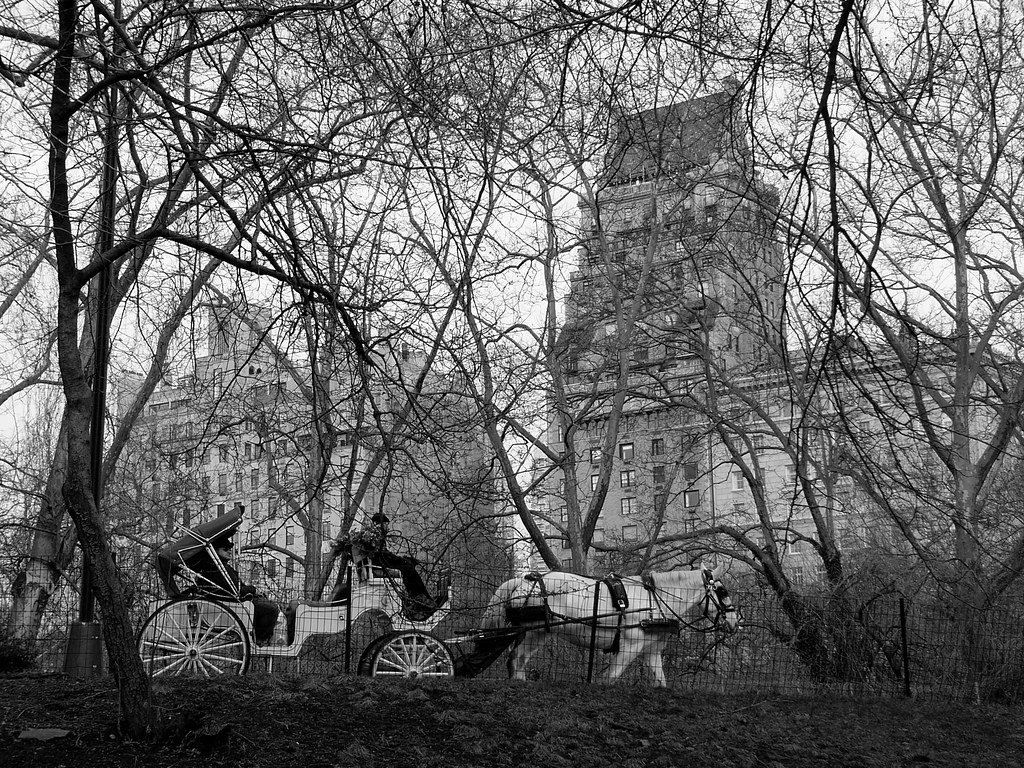
The City Council announced passage of Romanch’s Law on October 22. Its phaseout schedule ends the renewal of carriage horse, vehicle and driver licenses after May 31, 2028. The law provides a window for owners and employees to plan before operations cease. The mayor’s new statement addresses how the city intends to carry out the worker side of that transition.
The administration also plans to study whether electric carriages and pedal-assist bicycles could operate in and near Central Park. That is a feasibility study, not an approved replacement fleet or a commitment to operate those vehicles.
A difficult choice for the city
Animal-welfare advocates have long raised concerns about horses working in dense traffic and crowded park conditions. Drivers and industry representatives, meanwhile, have warned that a ban would eliminate specialized jobs and small businesses. Coverage of the council vote by the Associated Press documented workers’ economic concerns and the possibility of legal challenges.
For the people doing the work, the most consequential questions are practical: whether compensation reflects the value of lost licenses and businesses, whether training connects to jobs paying comparable wages, and whether workers can use benefits before the deadline. Those questions will need answers in the April 2027 plan.
Sources and next steps
Primary sources: NYC Mayor’s Office, Nov. 17; NYC Council, Oct. 22. Independent context: Associated Press. This article does not treat the proposed buybacks as payments already made.