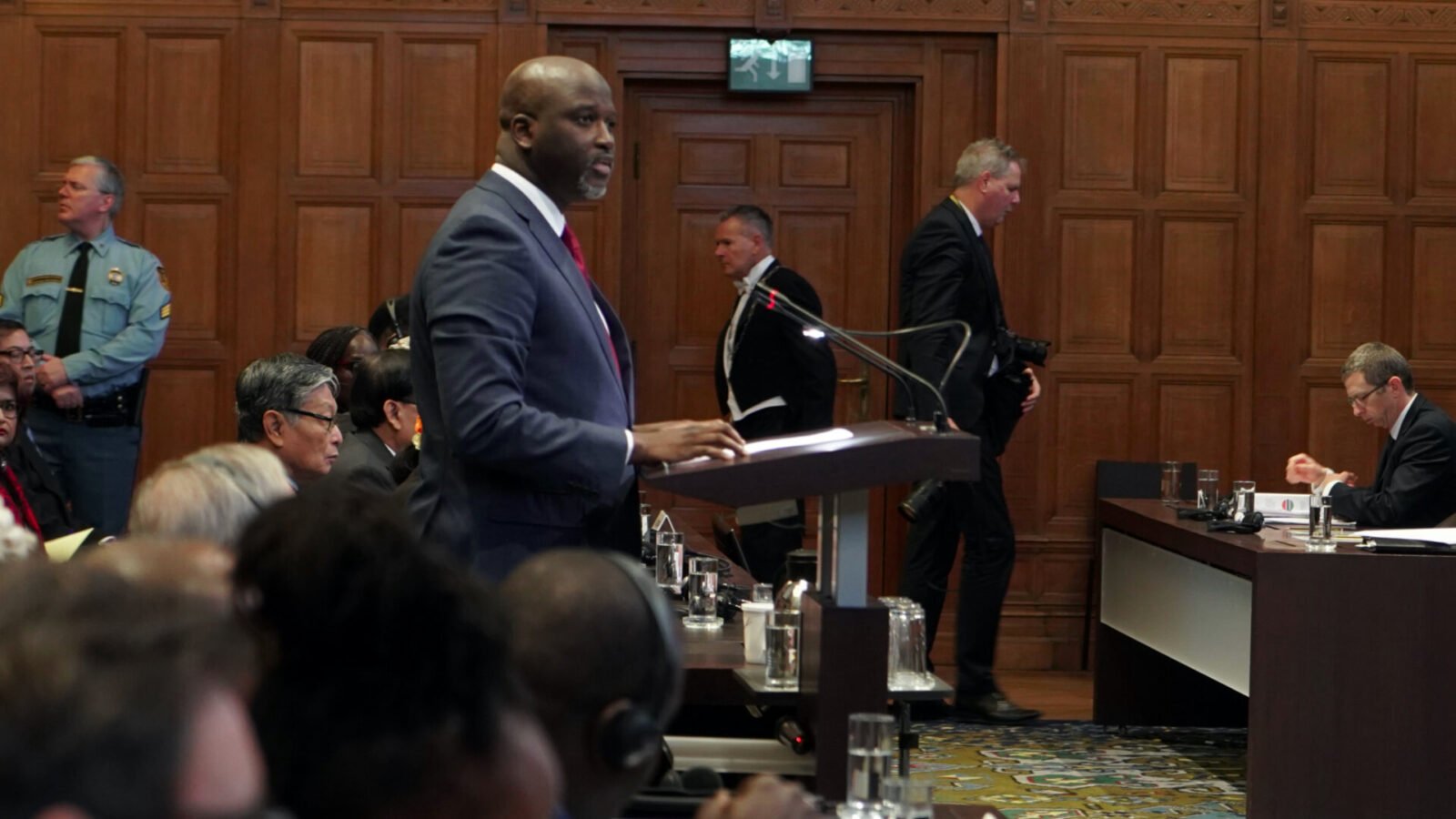
THE HAGUE, Netherlands — In a first for the United Nations’ highest court, the International Court of Justice ruled on November 19, 2026, that Myanmar committed genocide against the Rohingya during its military’s 2017 operations in northern Rakhine State. The court’s 9–6 finding establishes Myanmar’s responsibility as a state under the 1948 Genocide Convention. The ruling is final and binding between the parties, although securing compliance remains a major challenge.
The case was brought by The Gambia in 2019 and concerned the killings, violence, displacement and other atrocities committed against the predominantly Muslim Rohingya minority. In its November 19 press release, the court said Myanmar also violated duties to prevent and punish genocide, enact necessary legislation and preserve evidence.
What the judges found
The court concluded that Myanmar’s 2017 operations included acts of genocide carried out with an intent to destroy a substantial part of the Rohingya population. In addition to finding Myanmar responsible for genocide, the judges held that it failed to prevent genocidal acts by individuals operating alongside its security forces and failed to punish perpetrators.
The judgment also drew an important legal distinction: the court did not find that Myanmar had directly and publicly incited genocide by private persons. That separate allegation failed, even as the central genocide ruling was upheld. The votes differed across the findings and remedies, so the 9–6 tally does not apply to every part of the judgment.
The decision is historic because the ICJ found a state itself responsible for committing genocide. Previous genocide cases at the court addressed other questions, including failures to prevent or punish atrocities. The ICJ hears disputes between governments; it is different from the International Criminal Court, which prosecutes individuals.
Orders to investigate, permit returns and pay reparations
The court ordered Myanmar to end continuing violations of the Convention, put required laws in place, investigate people reasonably suspected of participating in genocidal acts and, where warranted, prosecute and punish them. It also ordered guarantees that comparable violations will not recur.
For Rohingya families driven from their homes, the judgment directs Myanmar to take steps toward safe, voluntary and dignified return and family reunification. The court also ordered compensation for harm not remedied by restitution. The amount and method of payment will be worked out in a later phase, and Myanmar must report within two years on restitution measures and compensation proposals.
Those requirements are orders on paper, not proof that refugees can currently return safely. Their implementation depends on conditions on the ground, access for independent monitoring and the response of Myanmar’s authorities.
The human consequences remain immense

The 2017 military operations forced more than 700,000 Rohingya to flee to Bangladesh. According to a November 19 statement by the United Nations refugee agency, more than 1.3 million Rohingya refugees remain displaced across the region, most of them in Bangladesh, while over 100,000 Rohingya remain internally displaced in Myanmar’s Rakhine State.
The judgment provides a judicial finding about crimes committed in 2017, but it does not automatically secure citizenship, livelihoods, housing or a safe path home for survivors. Human-rights advocates say those unresolved conditions will determine how meaningful the ruling becomes.
Why the ruling matters in the United States
The United States reached its own determination on March 21, 2022, when then-Secretary of State Antony Blinken said members of Myanmar’s military had committed genocide and crimes against humanity against Rohingya. The United States Holocaust Memorial Museum’s documentation of the U.S. determination predates this week’s international court judgment.
Washington’s immediate public response to the November 19 ruling was more reserved. A State Department spokesperson said the United States was studying the decision to assess its implications and emphasized the importance of interpreting the Genocide Convention carefully and avoiding politicization of the court. The spokesperson also noted U.S. humanitarian assistance to the Rohingya response, according to Associated Press reporting on November 19.
For American policy, the question is no longer simply whether to recognize the atrocities: the United States formally did so in 2022. The question now is what diplomacy, humanitarian assistance and accountability measures can help implement a binding court judgment without putting displaced communities at further risk.
Myanmar disputes the judgment
Myanmar’s Ministry of Foreign Affairs rejected the court’s conclusions in a November 20 statement, describing the military operations as a response to attacks by an armed group and disputing that genocidal intent had been proved. The ICJ considered the case and found Myanmar responsible notwithstanding that position.
The court’s ruling is final and cannot be appealed. It establishes legal obligations for Myanmar but cannot by itself guarantee investigations, compensation or the return of refugees.
What happens next
A later phase of the proceedings must address compensation and other reparations. Myanmar is also required to report on restitution and proposed compensation within two years of the November 19 judgment. International agencies and Rohingya communities will be watching whether Myanmar actually implements the orders and whether conditions allow refugees to return by choice, safely and with dignity.
Watch the original proceeding: The International Court of Justice’s official video page for its November 19 judgment provides a link to the court’s video record (rather than an embedded player).
Sources and documents
- International Court of Justice, press release No. 2026/30, November 19, 2026
- ICJ, full judgment of November 19, 2026
- UNHCR, statement on judgment and refugee displacement
- U.S. State Department, March 2022 genocide determination
- Associated Press, U.S. reaction, November 19, 2026
- Myanmar Ministry of Foreign Affairs, November 20 response
Featured photo credit: ARCHIVE (December 10, 2019): Abubacarr Tambadou, then The Gambia’s justice minister, speaks during proceedings at the International Court of Justice. Shafiur Rahman / Wikimedia Commons (CC BY-SA 4.0). Image is archival, not from the November 2026 ruling.