Khemetic Nation News Network | Culture Desk
Book spotlight
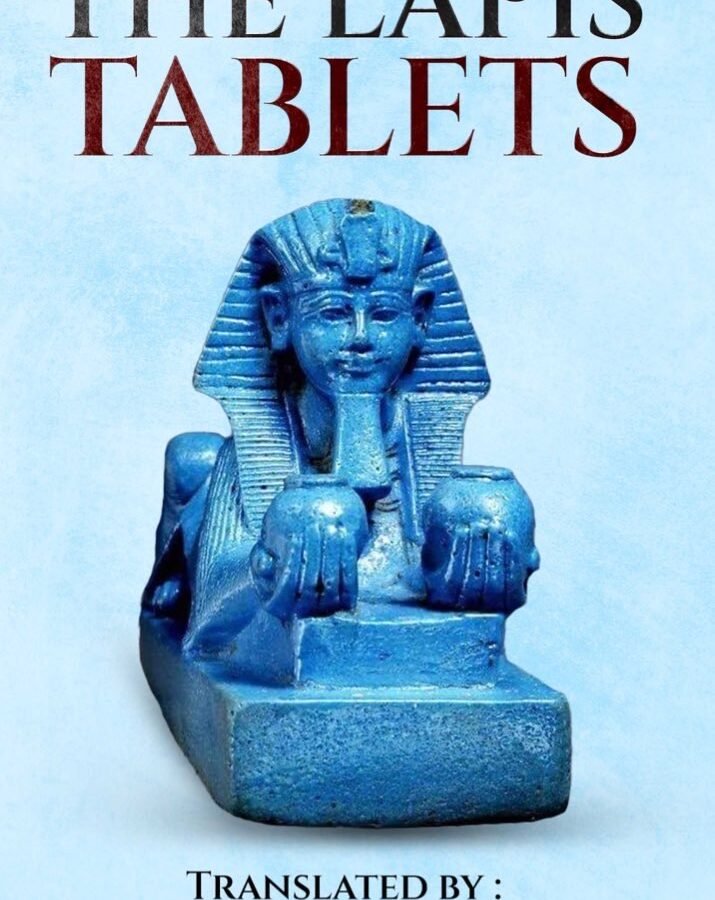
The Lapis Tablets, translated by Suede Santoro, brings the Syriac Peshitta and Khemetic religious traditions into a comparative study of scripture and language. In a description supplied to KNN, Santoro says the book examines parallels between biblical passages and Egyptian traditions while breaking down Syriac, Medu Neter and additional languages.
Reading scripture through language
According to Santoro, the book’s approach places linguistic analysis alongside comparisons of religious texts. Its stated focus is the Syriac Peshitta, which Santoro describes as the “original Bible,” and the Egyptian parallels he identifies within the material.
That phrase reflects the author’s framing. The Peshitta is a Syriac biblical tradition; describing it as the original form of every biblical book would require a separate historical argument. This spotlight presents the book’s stated approach without treating its comparative interpretations as established scholarly conclusions.
Syriac and Medu Neter in conversation
The description identifies Syriac and Medu Neter as central to the book’s language breakdowns. For readers interested in how translation affects the understanding of sacred texts, the project offers Santoro’s perspective on reading across linguistic and religious traditions.
Parallels are the subject of the book’s inquiry. Similarities between traditions do not, by themselves, establish direct borrowing or a shared origin; those historical questions depend on the specific passages, chronology and supporting evidence. The announcement does not substitute for a review of the complete text.
Publication details and purchase link
The Feltrinelli bibliographic record lists a 2025 independently published English-language paperback of 366 pages. It credits Santoro as translator and Anpu Hotep and Hasaan Tammuz as editors.
Readers can find The Lapis Tablets on Amazon to check current pricing, formats and ordering options.
Editorial disclosure: This promotional book spotlight was requested by Suede Santoro, the owner of Khemetic.News. The account of the book’s scope comes from his supplied description; this article is not an independent review.
Sources
Book description and cover supplied by Suede Santoro; Amazon listing; Feltrinelli publication record.