Khemetic Nation News Network | By Joseph | November 22, 2026
A UNESCO Global Education Monitoring regional report released on World Children’s Day, November 20, says pre-primary education access has improved in the Arab States but remains out of reach for more than half of five-year-olds.
What is confirmed
According to UNESCO, enrollment of five-year-olds in the region increased from 26% in 2000 to 45% in 2024. The report says private provision remains significant in many countries, while public systems have grown in some places. It also calls attention to children facing poverty, disability, displacement and other barriers to early learning.
Why the development matters
Preschool access can affect children’s readiness for formal schooling, but simply opening more seats is not enough. UNESCO argues for age-appropriate play-based curricula, trained educators, suitable facilities and links to family support. Whether legislation provides free education can differ from whether families can actually obtain a place.
What remains to be verified
The headline figures describe the regional report’s available data, not identical conditions in every Arab country. A UNESCO estimate is also not a fresh count conducted in November 2026; the cited enrollment comparison ends in 2024.
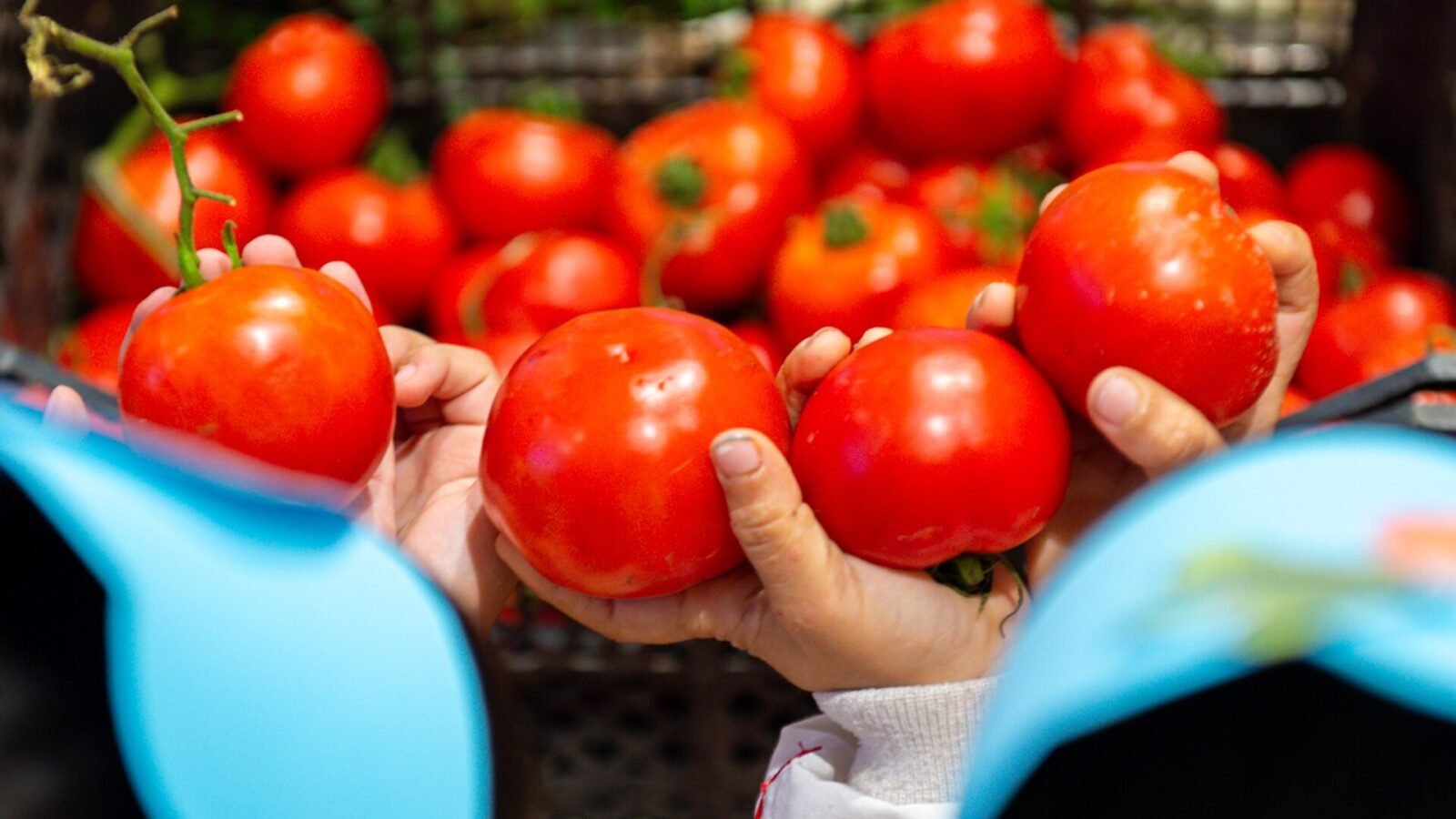
Featured image: Kindergarten students in Algeria on a school outing in 2024. Abdellah zou, Wikimedia Commons, CC BY-SA 4.0. These students were not identified as participants in UNESCO’s 2026 regional study.
Sources: Original source.