BAD LAUCHSTÄDT, Germany — A 30-megawatt electrolyzer connected to a 50-megawatt wind farm has produced its first green hydrogen, moving an industrial energy demonstration toward broader testing and planned customer deliveries in 2027.
Project partners VNG and Uniper announced the milestone on November 10, 2026, at the Bad Lauchstädt Energy Park in Germany’s Saxony-Anhalt state. The development is a technical first for this facility, not the start of full commercial operations. The next step is to test how power generation, hydrogen processing, storage and delivery perform as an integrated system.
From wind power to industrial hydrogen
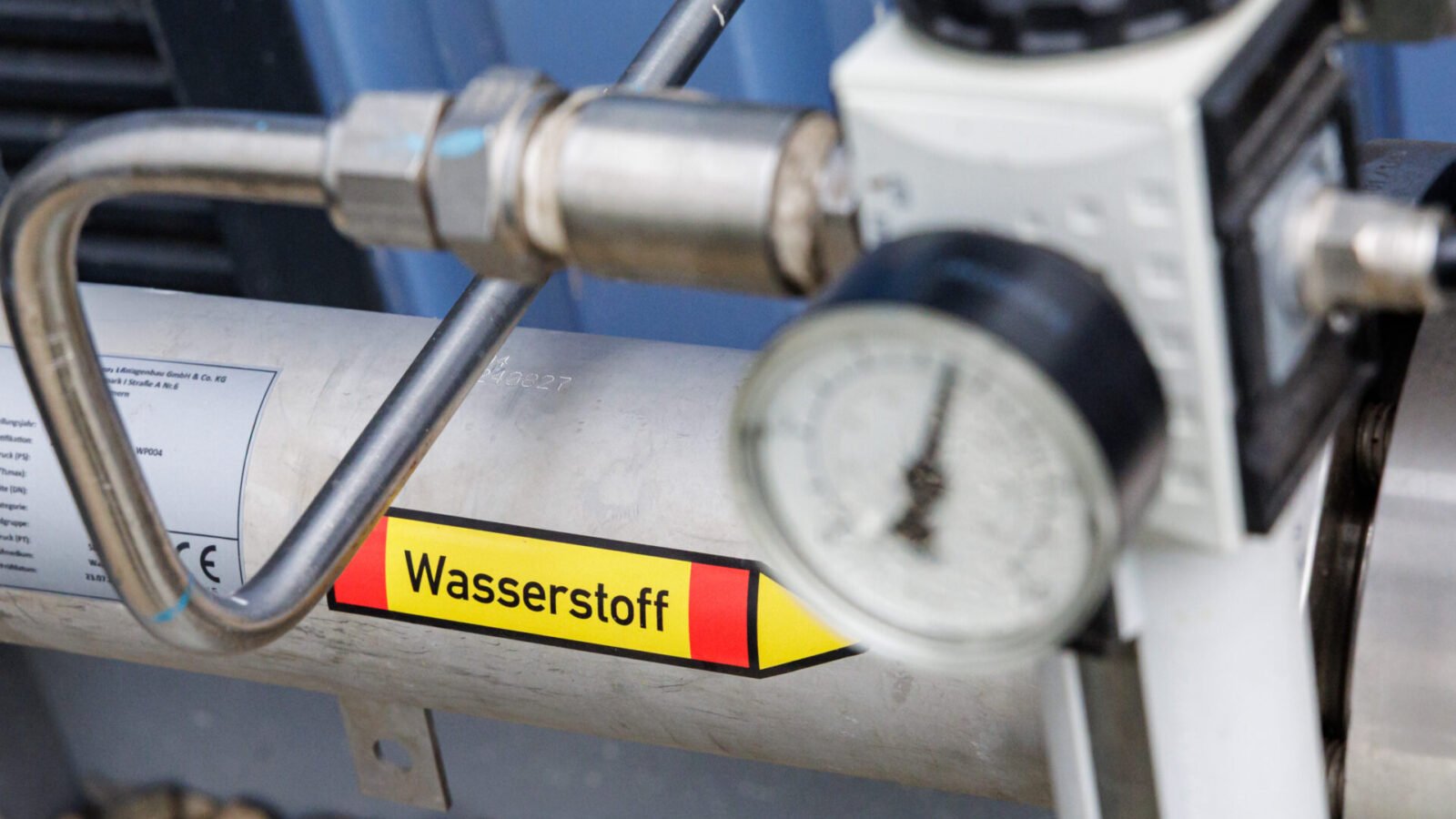
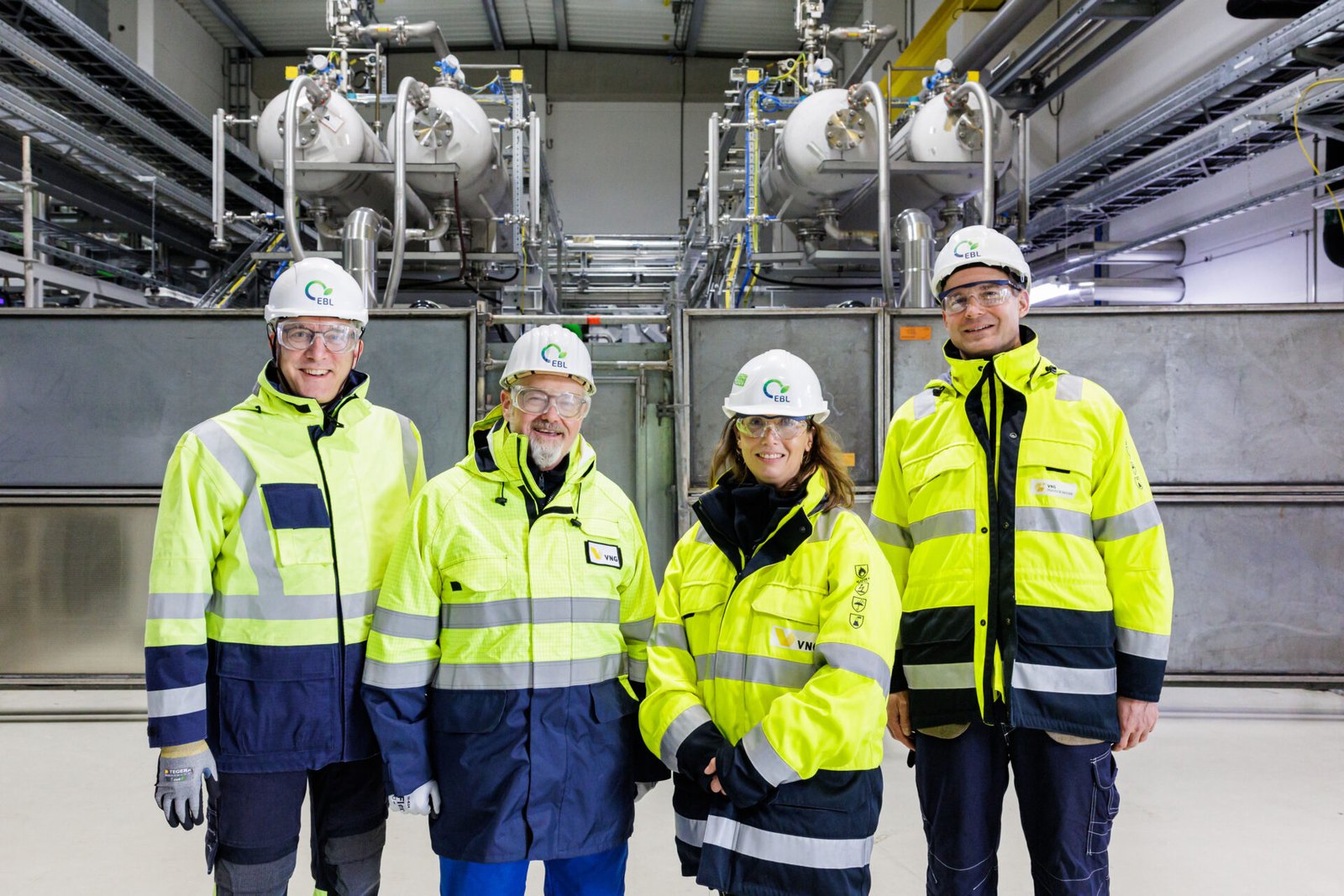
The plant uses an alkaline water electrolyzer supplied by Sunfire. Three modules, each rated at 10 megawatts, contain two electrolysis stacks apiece. When supplied with renewable electricity, the equipment splits water into hydrogen and oxygen. The electricity comes from an associated wind park with roughly 50 megawatts of installed capacity.
Instead of treating hydrogen production as an isolated process, the developers are linking it to distribution and industrial demand. A former natural-gas pipeline, approximately 25 kilometers (15.5 miles) long, has been converted for hydrogen transport by ONTRAS Gastransport. Project partners say the TotalEnergies refinery in Leuna is intended to use the hydrogen in its industrial operations.
The partners describe approximately 3,000 metric tons as the amount an anchor customer is expected to take in 2027. That is a stated future delivery expectation, not a measure of fuel produced so far. Full commissioning of the integrated hydrogen system is planned for 2027, according to the Uniper announcement.
Why this matters for American energy projects
The German milestone offers a useful comparison for the United States, where federal and private developers have tried to connect hydrogen production with steelmaking, refining, chemical manufacturing and heavy transportation. The Congressional Research Service documented an $8 billion federal regional-hydrogen-hubs program established under the 2021 infrastructure law, with up to $7 billion initially committed to seven selected consortiums.
But the American program has faced a shifting policy and funding landscape. A Clean Air Task Force review published in October 2026 noted federal reconsideration of hydrogen-hub spending, proposed funding reductions and investment cancellations. The review reported approximately $449 million in U.S. hydrogen investment during the second quarter of 2026, alongside roughly $7.1 billion in canceled investment announcements during that quarter. Those numbers describe the organization’s investment tracking, not operational hydrogen output.
Bad Lauchstädt illustrates one engineering challenge common to both countries: a hydrogen economy needs dependable power, the right processing equipment, suitable transport infrastructure and customers willing to buy the resulting fuel. Producing the first hydrogen confirms an important system function; it does not prove the entire supply chain can yet run profitably at commercial scale.
What the photos show
Costs and remaining questions
Project partners put total investment at approximately €210 million, including €44 million in German federal research funding. Those figures describe a demonstration designed to test multiple steps in the hydrogen value chain, rather than an independently established competitive production cost.
Hydrogen made with renewable electricity can lower certain production emissions compared with hydrogen made from fossil gas without carbon capture. Its overall climate benefits, however, depend on electricity sourcing, equipment efficiency, water use, transport and the industrial process it displaces. The first successful production run does not settle those questions or show annual operating performance.
Germany’s MDR public broadcaster also reported that the project had experienced delays attributed to regulatory hurdles and shortages of qualified workers. Those implementation challenges offer another lesson for U.S. planners: developing industrial hydrogen systems involves more than purchasing an electrolyzer.
What comes next
The facility is moving into combined testing of the wind-to-hydrogen chain. The meaningful next benchmarks will be verified customer deliveries, sustained output, safety and reliability data, and evidence that operating costs can support a viable business.
For American energy developers, the test is whether hydrogen facilities can connect to infrastructure and paying customers without confusing technical demonstrations with commercial success.
Video and primary sources
Watch: MDR Television’s November 10, 2026 video report on the first green hydrogen at Bad Lauchstädt (German-language original coverage; MDR reports access through November 10, 2027).
- VNG AG: First green hydrogen, November 10, 2026 — project announcement and press photographs.
- Uniper: Project partner announcement, November 11, 2026.
- Congressional Research Service: U.S. clean hydrogen hubs funding, January 2026.
- Clean Air Task Force: U.S. hydrogen investment analysis, October 2026.
- Presseportal / news aktuell: Editorial reuse conditions for the official press images.