Khemetic Nation News Network | By Joseph | November 22, 2026
Scientists studying tiny particles collected from Earth’s stratosphere have reported clues about ancient icy material from the distant outer solar system, according to a November 18 NASA science report.
What is confirmed
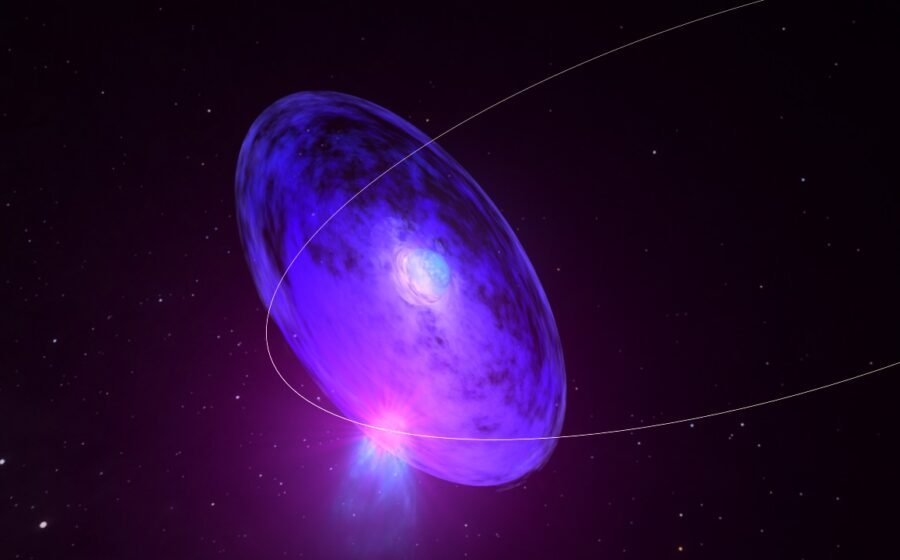
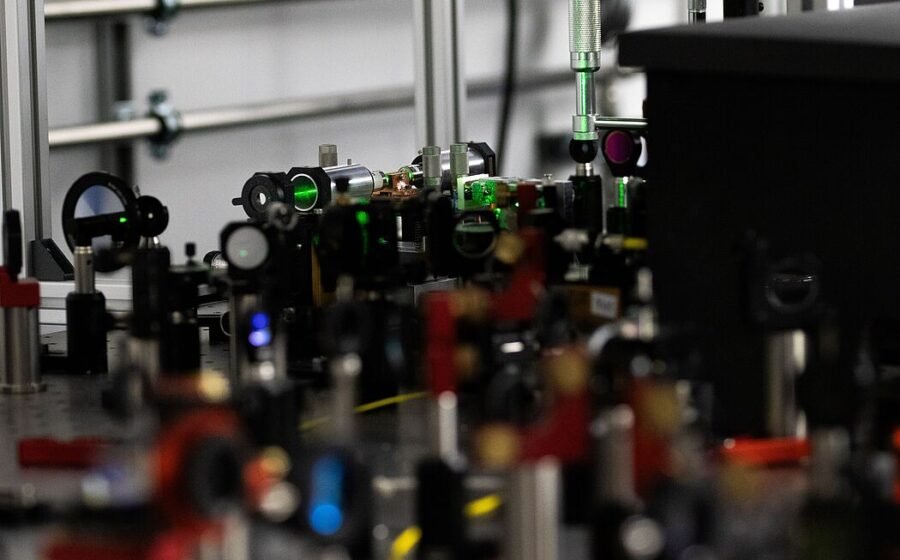
Researchers at NASA’s Johnson Space Center examined 12 dust particles gathered by the agency’s high-altitude ER-2 research aircraft. Their analysis included tracks associated with solar energetic particles, which helped the team investigate a connection to the Kuiper Belt beyond Neptune. The sample’s chemistry offers possible evidence about how cold materials formed and circulated early in the solar system.
Why the development matters
The Kuiper Belt contains icy objects left from the solar system’s formation. Scientists cannot bring a large representative collection of those bodies into a laboratory, so micrometeorites and interplanetary dust offer a valuable but indirect source of data. Careful interpretation requires considering how particles changed during travel through space and collection near Earth.
What remains to be verified
Twelve particles are a small, specialized sample. The findings provide clues about composition and origin, not a complete inventory of every Kuiper Belt object, nor a direct observation of an ancient reservoir of ice still existing today.
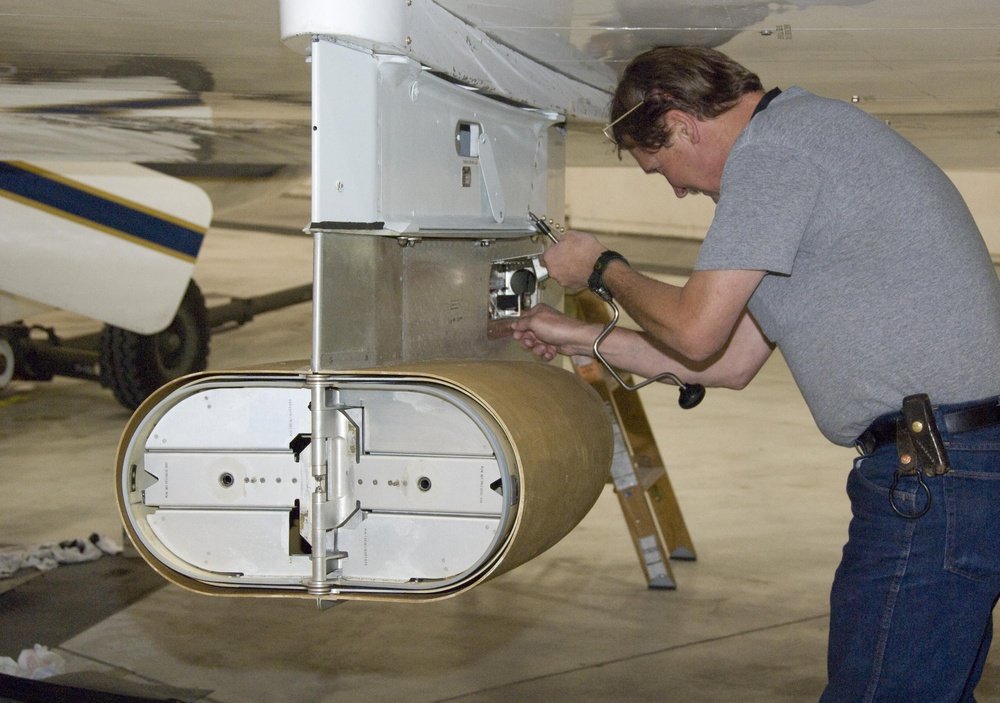
Image credit: NASA photo by Tom Tschida, 2009, public-domain image via DVIDS. The photo shows a cosmic dust collector on an ER-2 aircraft during earlier research; it is not a photograph taken during the 2026 analysis.
A Book of Maat perspective
In “The Seven Principles of Maat” (2018 edition, printed p. 156), the Principle of Correspondence explores learning about the unknown through what is already observable. An interesting philosophical parallel appears in this research: investigators use the properties of tiny dust grains collected near Earth to reason about remote regions beyond Neptune. The scientific claim, however, rests on laboratory analyses and models of the particles’ origins; the Book’s philosophy does not independently establish the presence or composition of ancient Kuiper Belt ice. Explore the Book of Maat.
Sources: Original source.