NEW YORK, Nov. 15, 2026 — Twelve paintings from Argentina’s Blaquier-Arrieta collection are headed to a Sotheby’s evening auction in New York on Wednesday, November 18, with total expectations of about $450 million. The works include a Vincent van Gogh landscape valued near $180 million and a Paul Cézanne portrait estimated near $120 million. Alongside the potential auction records, the sale is reviving scrutiny of allegations connected to the family’s sugar business during Argentina’s military dictatorship.
The paintings themselves have not been identified as stolen in the reporting reviewed for this article. The controversy instead concerns the history of wealth and corporate power associated with the collectors, Carlos Pedro Blaquier and Nelly Arrieta de Blaquier. Reporting by The Guardian has brought that history into focus as the collection receives international attention.
Twelve major works, with two headline estimates
Sotheby’s official catalogue lists 12 works by artists including van Gogh, Cézanne, Claude Monet, Edgar Degas, Pierre-Auguste Renoir, Paul Gauguin and Camille Pissarro. The auction begins at 6 p.m. Eastern on November 18. Many of the paintings have remained outside public view for decades.
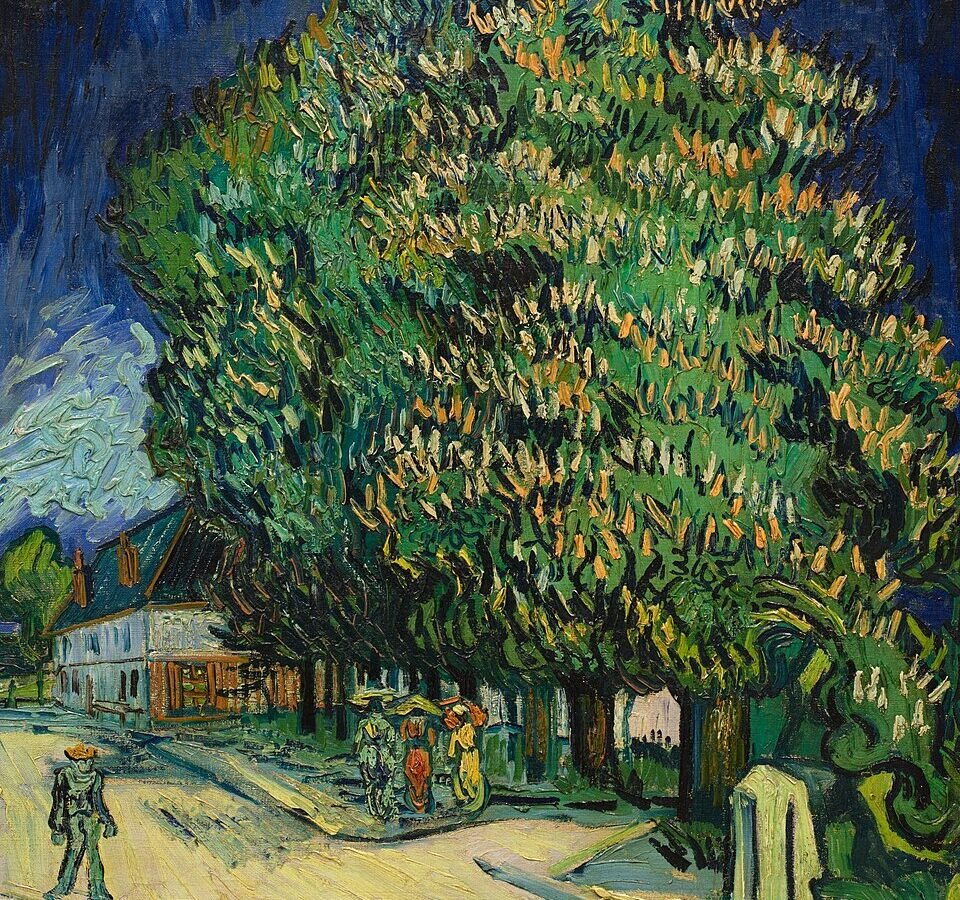
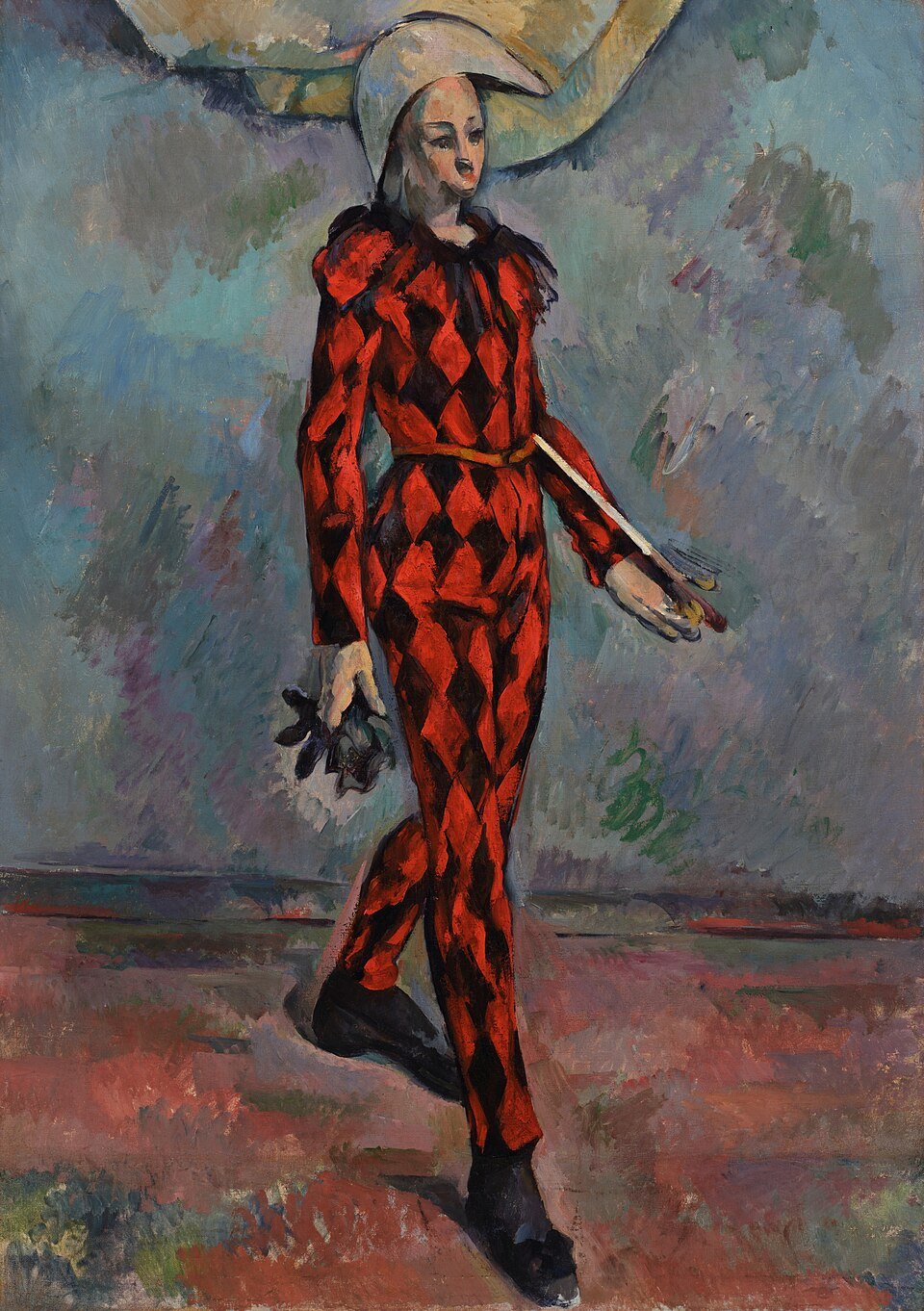
Van Gogh’s Châtaigniers en fleurs (Chestnut Trees in Blossom), completed in May 1890, shows a towering chestnut tree beside a village street in Auvers-sur-Oise. Its reported estimate of approximately $180 million would exceed the artist’s existing public auction record if bidding reaches that level. Cézanne’s Arlequin, depicting his son in a red-and-black costume, is expected to bring around $120 million. These figures are pre-sale estimates, not realized prices, and the final totals may include buyer’s premiums. The Art Newspaper and Reuters have separately reported the estimates.
The history behind the Blaquier fortune
Carlos Pedro Blaquier led Ledesma, a major Argentine sugar producer. The company was tied to allegations that its vehicles and resources were used by security forces during unlawful detentions in Jujuy province under Argentina’s 1976–1983 military regime.
The European Center for Constitutional and Human Rights (ECCHR), which participated in the legal proceedings through an amicus brief, says approximately 400 people — many trade unionists and company employees — were abducted during operations known as the Night of the Blackout in July 1976. The organization says 55 people remained missing, and some vehicles used by the military displayed Ledesma’s logo. These findings describe documented allegations and the broader repression; they do not constitute a criminal verdict against Blaquier.
Argentine judicial proceedings examined Blaquier’s suspected role in unlawful detentions. A 2022 statement by Argentina’s Human Rights Secretariat reported that medical assessments led a court to find him unable to stand trial. He died on March 13, 2023, without a completed trial or conviction, according to a subsequent government statement. Blaquier denied knowledge of the illegal use of company resources, according to Sotheby’s comments reported by The Guardian.
What Sotheby’s says — and what the sale does not prove
In comments provided to The Guardian, Sotheby’s acknowledged the reports concerning Blaquier, emphasized that he was not convicted and said the allegations did not change the artistic significance of the paintings. The auction house’s promotional materials center on the collection’s importance to the history of modern painting.
The distinction matters: a collector’s criminal allegations are not evidence that a particular painting was unlawfully obtained. The publicly listed provenance of Cézanne’s Arlequin, for example, traces ownership through European dealers and collectors before its 1975 acquisition by the Blaquier family. The question raised by the auction is about how institutions present cultural treasures alongside difficult histories associated with their owners, not a proven claim of art theft.
Why a New York auction matters
The November sale places that history in the center of the U.S. art market. Collectors, institutions and the public can compare Sotheby’s account of the collection with human-rights documentation about the Ledesma cases. Buyers will decide the prices, but the record of the dictatorship and the unresolved legal questions exist independently of the market’s valuations.
Sotheby’s has also released an official video preview of the paintings. It showcases the art and is promotional material; viewers seeking the dictatorship history should consult the independent reporting and legal records linked here.
The auction results will establish what the paintings command on November 18. They will not resolve the historical accusations. For the families of the disappeared, the record of the 1976 abductions deserves attention that does not depend on whether any masterpiece breaks a sales record.
Sources and image credits
- Sotheby’s — Official auction catalogue and lots
- The Guardian — Investigation and Sotheby’s response, Nov. 14, 2026
- ECCHR — Ledesma and the dictatorship investigations
- Argentina Human Rights Secretariat — Statement on Blaquier’s death, March 13, 2023
- The Art Newspaper — Artwork estimates and exhibition history
- Featured painting: Vincent van Gogh, Châtaigniers en fleurs (1890), public-domain faithful reproduction via Wikimedia Commons (original reproduction source: Sotheby’s).
- Inline painting: Paul Cézanne, Arlequin (1888–90), public-domain faithful reproduction via Wikimedia Commons (original reproduction source: Sotheby’s).