OTTAWA, Canada — A Canadian technology company is demonstrating one approach to inclusive employment: redesigning work, training and support so autistic people can participate in paid projects with commercial customers. On November 5, 2026, the Ottawa Police Service said Technology North had completed a records digitization assignment that converted more than 160 microfilm reels containing hundreds of thousands of historical images into digital files. The public agency said the work involved scanning, checking image quality and using optical character recognition to make records easier to manage. Ottawa Police Service announcement.
The project was carried out through Technology North’s autism employment program, which uses workplace coaching and assistive software known as RoboCoach. While the project took place in Canada, it offers a practical case study for U.S. employers considering more accessible hiring, training and workplace design.
A family concern became a workplace program
Technology North dates its origins to 1998. Founder and chief executive Ling Huang later pursued an employment model for autistic adults after considering the future of his son Brian, who is autistic. The company’s dedicated autism employment program began in 2019, according to its own account and an ASTech Awards profile.
The original team described in the video that brought this story to our attention included Brian and three other workers supported by a job coach. Early digitization contracts helped show how structured processes could deliver useful results to customers. A City of Edmonton profile documents employees’ roles preparing, scanning and verifying files and describes how tasks can be broken into manageable stages.
CBC reported in November 2026 that Technology North employed approximately 50 neurodivergent workers across Canada. That figure describes the wider workforce, not the number assigned to the Ottawa police project. CBC reporting distributed through Yahoo News Canada.
Police contracts put the model to work
Technology North’s Ottawa assignment followed an earlier police partnership in Edmonton. The Edmonton Police Service said it began a pilot in June 2024 with four autistic Technology North workers reviewing body-worn camera recordings to redact material from lower-complexity incidents. The pilot concluded in October 2024, and the police service announced a continuing service agreement in December. Edmonton Police Service official release.
Police records and body-camera footage contain sensitive information, so quality control, security screening and supervision are essential. Technology North’s current job descriptions describe background checks and structured training for relevant roles. These requirements are part of the work, not evidence that every applicant is suitable for it.
What supports workers — and what should not be assumed
The company says its employment framework includes job coaches, individualized training, communication support and pathways to different responsibilities. It also describes part-time and casual employment opportunities, meaning the availability of permanent full-time work cannot be assumed from the program’s growth. Technology North employment information.
Autistic and other neurodivergent people do not share one universal skill profile. Some may prefer detail-oriented or highly structured work; others may excel in creative, technical, interpersonal or leadership roles. An inclusive model must match opportunities to an individual’s interests and qualifications without confining people to a stereotype about concentration or repetitive tasks.
Why the story matters in the United States
The U.S. Americans with Disabilities Act offers a legal framework for considering workplace access. The Equal Employment Opportunity Commission says covered employers generally must provide reasonable accommodations to qualified applicants and employees with disabilities unless doing so would cause undue hardship. Depending on individual needs, accommodations may include adjusted work schedules, modified training and communication practices, or equipment changes. EEOC employer guidance.
The Job Accommodation Network also discusses accommodations during recruitment, including how an applicant may request support at an interview. For U.S. companies, Technology North offers an example of the potential business case for better-aligned tasks and supports, but it is not proof that the same approach will work equally well in every industry.
What has not been established
Public releases verify the Ottawa project’s completion and the earlier Edmonton partnership, but they do not provide an independently audited breakdown of contract revenue, long-term wages, promotion rates or employment stability. Ottawa Police also did not specify how many workers were assigned to the microfilm project. Those details matter when judging whether an employment program provides sustainable careers.
Technology North’s experience raises a question for employers on both sides of the border: what would happen if businesses assessed candidates by the skills the work actually requires and built support around people instead of expecting everyone to follow the same path?
Video and original source material
The YouTube Short shared with Khemetic.News summarizes the company’s story; this article relies on the linked police statements, company documents and independently reported material to verify its factual claims. The video link is provided for context and is not evidence that the clip itself independently verified each claim.
Sources
- Ottawa Police Service — completed microfilm project, November 5, 2026
- Edmonton Police Service — ongoing body-camera redaction program, December 18, 2024
- Technology North — company history and employment mission
- Technology North — current recruitment and job descriptions
- City of Edmonton — profile of Technology North employees
- U.S. Equal Employment Opportunity Commission — employer ADA responsibilities
- Job Accommodation Network — hiring-process accommodations
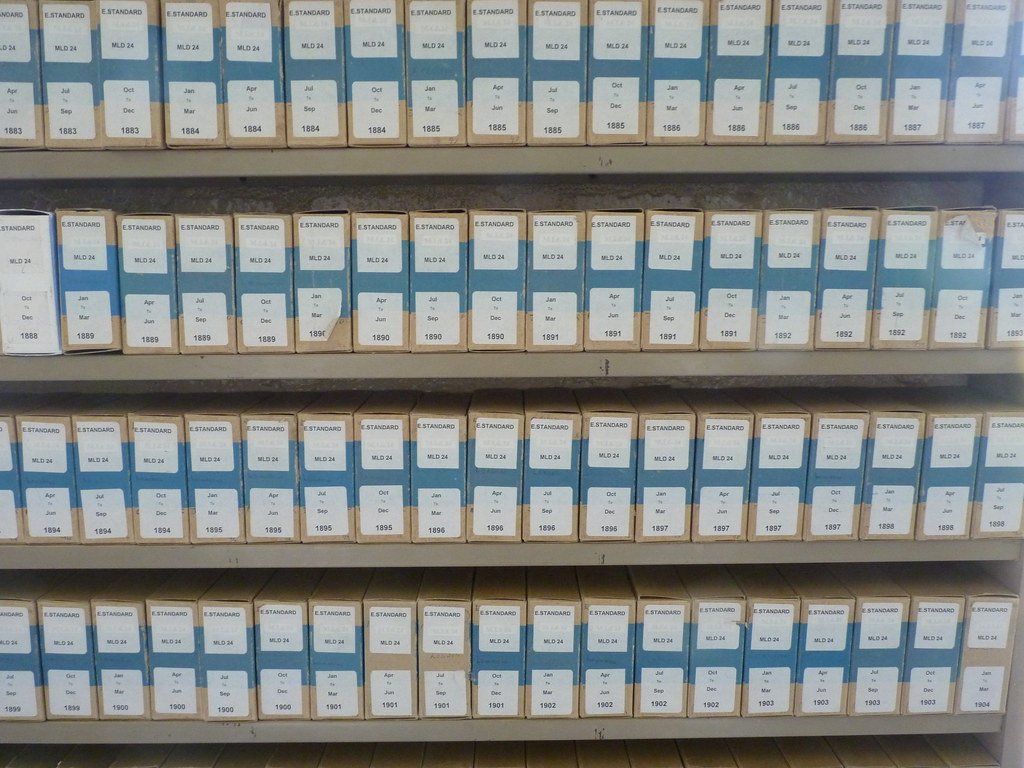
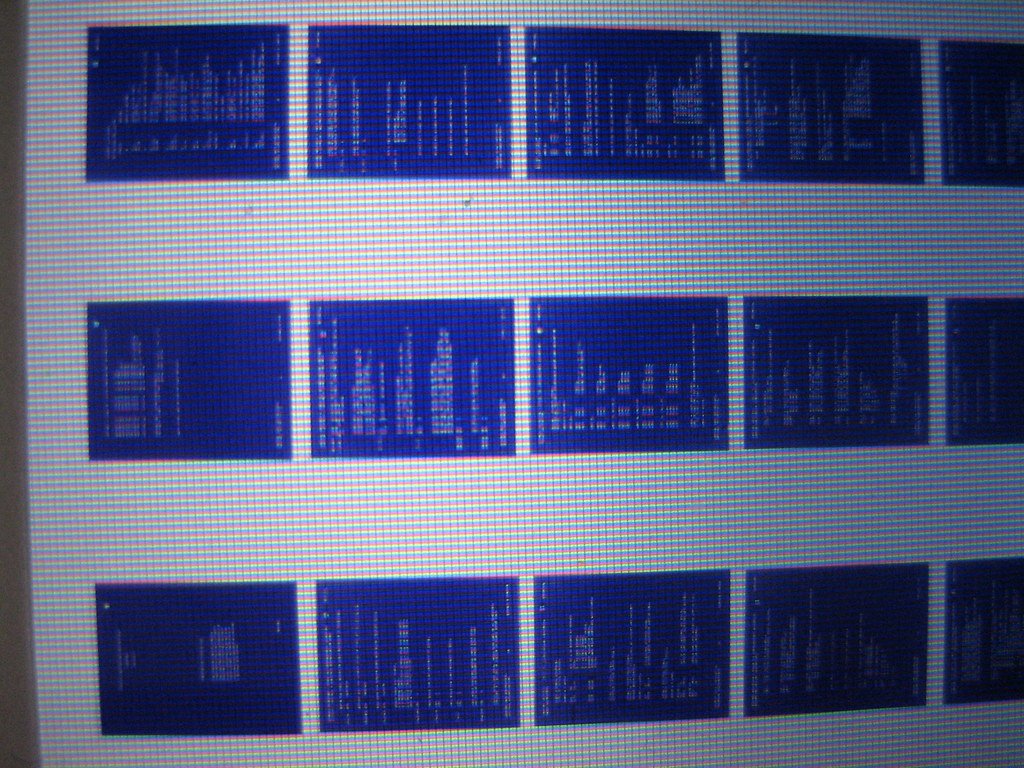
Image credits and clarification: Featured image: archival microfilm boxes photographed by Luke McKernan, CC BY-SA 2.0; see the image’s media caption for attribution. Inline image: microfiche digitization photographed by stiefkind, CC0 1.0. Both are illustrative documentary photographs. Neither shows Technology North staff or the specific Ottawa Police records.