November 17, 2026 — Artificial intelligence tools that can preserve movements and camera work while replacing the people or products in existing footage are generating disputes over consent and creative ownership. In a circulating YouTube Short, creators allege that modified copies of their original videos have been used to promote products, memecoins and possible scams. The individual examples in that video have not all been independently verified.
The concerns involve both the rights of people who make original work and the trust of Americans who encounter apparently authentic endorsements on social media.
What Higgsfield’s Genjutsu can do
Higgsfield’s Genjutsu product documentation describes Motion Transfer, which can preserve movement and camera work while recasting video, and Object Swap, which replaces selected subjects or products while keeping other visual elements. Reference clips can run up to 30 seconds. These tools may support authorized film and advertising projects, but their capabilities can also be used to reproduce distinctive portions of another person’s footage.
An independently documented copying dispute
An October 20 Vulture investigation described numerous AI variations of director Romain Gavras’s music video Storm, made for Gener8ion with Yung Lean. Many versions replicated its choreography and camera movements while swapping in new people or characters. The original sequence involved dozens of human performers, casting and rehearsals.
Gavras expressed disappointment that the work of his cast and crew could be copied so easily. Vulture identified Genjutsu among the tools used for remakes, but the report did not establish that every individual remake was illegal or fraudulent.
Claims in the viral video remain allegations
In the video supplied to Khemetic.News, speakers describe recognizing their own footage and settings in altered clips. Some allege that those variations were used in cryptocurrency or product promotions. Khemetic.News has a transcript supplied through TranscriptX.ai, but has not independently compared each alleged original with each derivative clip, identified all the accounts involved or confirmed a completed financial fraud. The accusations are therefore reported as allegations, not findings against a particular company or user.
Higgsfield’s funding and the revenue figure
In August 2026 Higgsfield announced $400 million in Series B funding at a reported $5.4 billion valuation. On October 23 it announced additional investment from TCV and NVIDIA.
The company also reported crossing a $1 billion annualized revenue run rate in September, about 18 months after launching its creative suite. An annualized run rate extrapolates a recent revenue period: it does not establish that the company already collected $1 billion in revenue over those 18 months.
The U.S. consumer-protection risk
An AI-modified video can make an endorsement or investment pitch appear genuine without proving the depicted person approved it. The Federal Trade Commission reported in April 2026 that U.S. consumers reported approximately $2.1 billion in losses from scams beginning on social media in 2025; about $1.1 billion involved investment scams. Those figures cover social-media fraud generally and must not be described as losses caused by AI videos or Higgsfield.
What the company’s policies and U.S. rules say
Higgsfield’s published creator guidance places responsibility on users to have rights to uploaded material and avoid infringing copyright, trademarks and likeness rights. The company also publishes trust and safety information. Whether enforcement is sufficient remains a separate question from what the written rules require.
The U.S. Copyright Office has examined digital replicas, generative-AI outputs and AI use of copyrighted works. The legality of a particular altered video depends on how the source material is used and relevant copyright defenses; a transformation is not automatically unlawful.
American creators have negotiated AI-related protections before
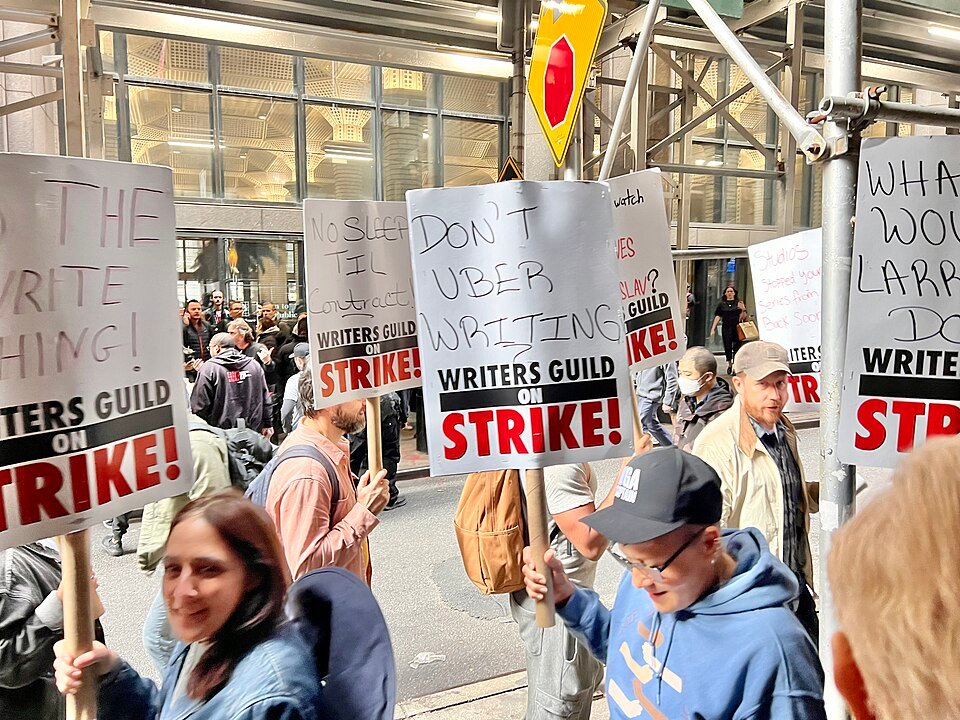
The 2023 Hollywood labor disputes helped put AI in creative work on the national agenda. The Writers Guild of America describes AI limits in covered writing work, while SAG-AFTRA describes contractual protections involving performers’ digital replicas. These agreements do not cover every independent creator or every social-media reuse.
What happens next
Creators can document suspect copies by preserving original files, dated publications, URLs and side-by-side footage before filing platform copyright or impersonation reports. Viewers should confirm endorsements through verified creator channels before buying advertised products or purchasing cryptocurrency promoted by unfamiliar accounts. Suspected fraud can be reported through ReportFraud.ftc.gov.
The central question is whether expanding AI-video production can protect legitimate reuse while offering meaningful recourse when someone’s original work becomes an unapproved imitation or a misleading advertisement.
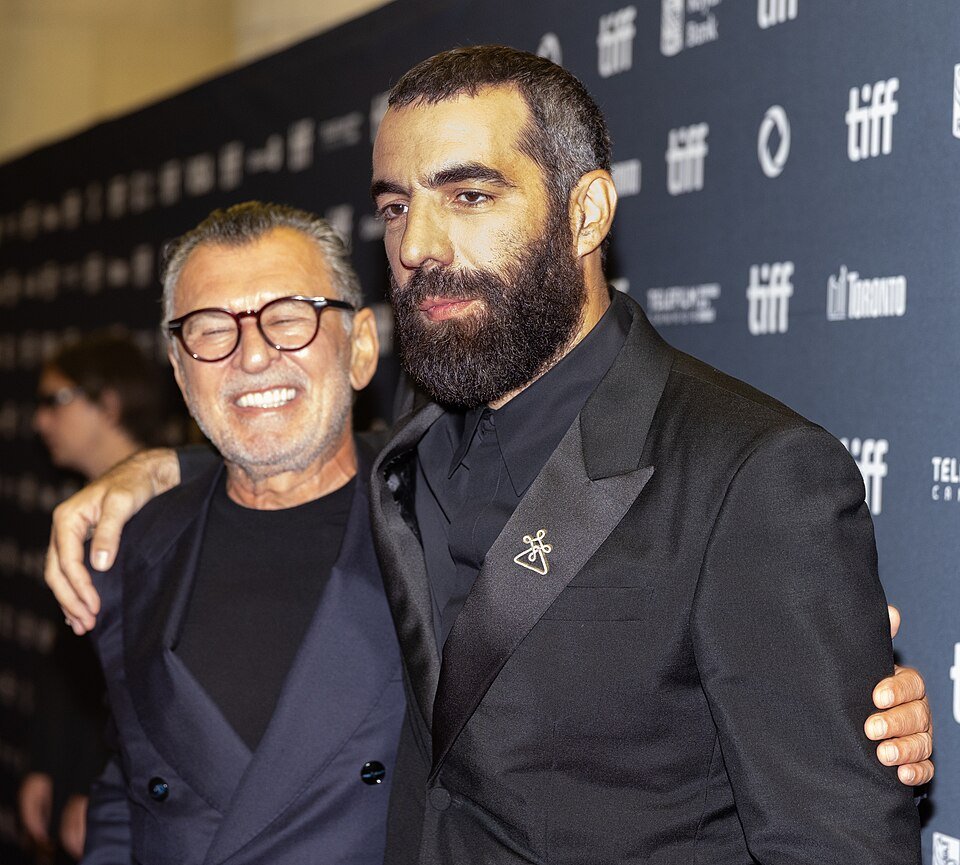
Featured photograph: Filmmaker Romain Gavras and Gregory Jankilevitsch at the 2025 Toronto International Film Festival (archival). Photo: Sara Komatsu / WikiPortraits, CC BY-SA 4.0. Resized for web publication.
Sources and documentation
- Source YouTube Short (transcript supplied; allegations attributed)
- Higgsfield Genjutsu
- Vulture’s investigation, Oct. 20, 2026
- Higgsfield funding announcement, Oct. 23, 2026
- Higgsfield revenue run rate announcement
- FTC social-media scam data
- U.S. Copyright Office AI initiative
- WGA AI contract guidance
- SAG-AFTRA AI protections timeline