

Khemetic Nation News Network | World Desk | October 17, 2026
UNESCO announced on October 16, 2026 that the Colonial City of Santo Domingo in the Dominican Republic is testing a practical toolkit to help managers protect World Heritage sites from climate-related risks. The historic center is the first cultural property and first location in Latin America and the Caribbean to begin piloting the approach.
Moving from emergency response to preparation
The Climate Action Toolkit is being developed by the UNESCO World Heritage Centre with ICCROM, ICOMOS and IUCN. It aims to help heritage managers identify how flooding, hurricanes, heavy rain, rising temperatures and longer-term climate change could damage the features that make a site historically significant.
A workshop held from October 5 to 9 used ten practical exercises to connect local conditions, climate projections and possible responses. The effort involved Dominican institutions responsible for cultural preservation, planning and climate adaptation, along with the international partner organizations.
What happens next
UNESCO says the pilot process continues through November 15, with feedback used to refine the toolkit. Participating institutions expect to move toward a climate action plan for the Colonial City. The plan is a prospective outcome, not a completed document.
The implications reach beyond Santo Domingo: historic neighborhoods, monuments and culturally important landscapes worldwide face growing pressure from severe weather. The key question is whether useful risk assessment can be translated into funded preservation work.
Source
UNESCO announcement, October 16, 2026.
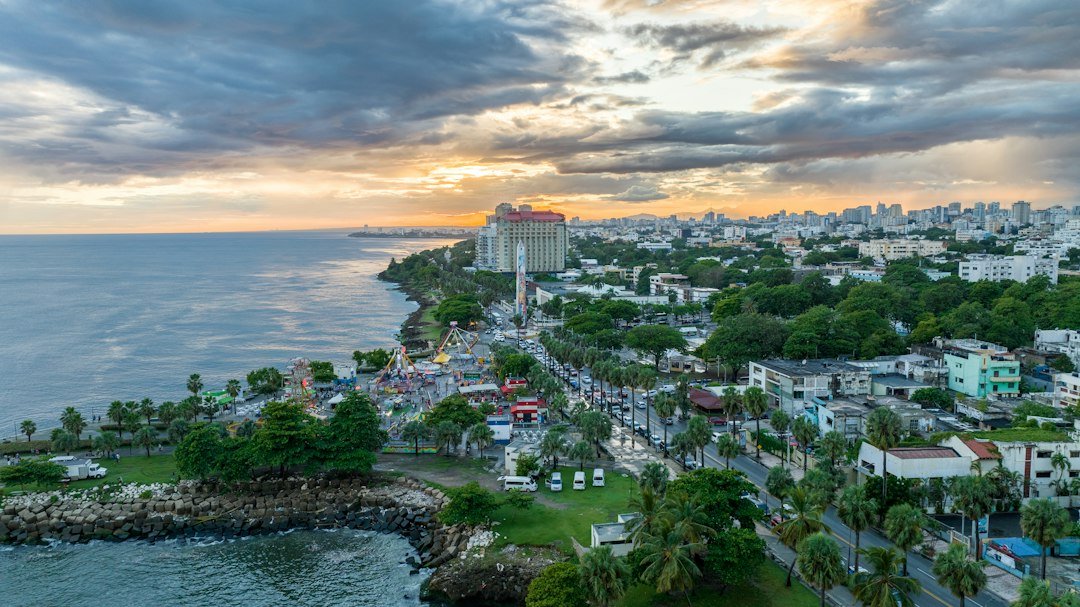
Featured image: archival/illustrative photograph of Santo Domingo, not of the UNESCO workshop. Photo: Robert Vasquez / Unsplash.


