Smartphone makers are increasingly installing recovered memory chips in new low-cost phones as rising DRAM prices squeeze manufacturers, according to a November 6, 2026 report by market researcher TrendForce.
TrendForce estimates that about 3–4% of smartphones in 2026 will contain so-called reballed memory. Its forecast for 2027 is 7–9%. The numbers are industry estimates and projections, not a published list of affected handsets or a confirmed inventory of U.S. retail products.
The practice has a practical explanation: some manufacturers can buy and reinstall working memory chips recovered from existing electronics at a lower cost than purchasing new parts. But as secondhand chips enter new devices, questions about testing, durability, warranties and disclosure become more important.
Why budget phones are the first to feel the squeeze
According to TrendForce, the most common recovered components are 4GB LPDDR4X RAM chips used in inexpensive 4G smartphones, particularly models priced below 1,299 Chinese yuan. In that segment, even modest changes in material costs can affect whether a phone remains profitable.
LPDDR4X is a generation of low-power dynamic random-access memory. It helps a phone keep apps and active tasks running. It is different from the flash storage that holds photographs, downloads and saved files. The reported reuse concerns RAM chips, not evidence that customers’ stored personal information is being transferred into new phones.
TrendForce expects mobile DRAM prices to face further pressure in early 2027, potentially encouraging more manufacturers to adopt lower-specification or recovered components. Its researchers also caution that reballed parts will remain a small share of overall smartphone memory-bit demand and will not meaningfully reverse industrywide price increases.
What does ‘reballing’ mean?
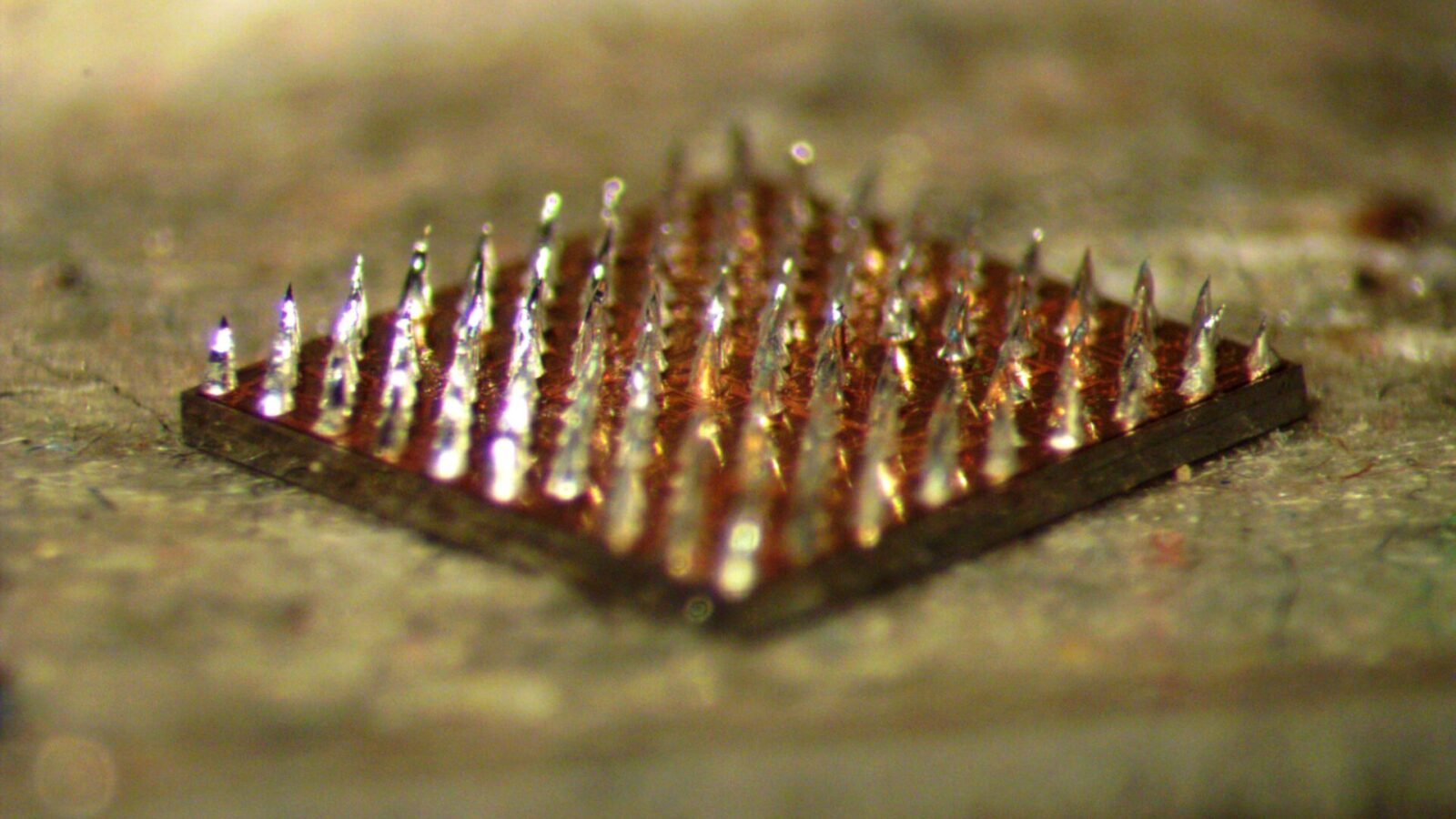
Many smartphone chips are connected to a motherboard through a dense grid of tiny solder balls, rather than being installed in an easily removable RAM slot. To recover a chip, a technician uses controlled heat to detach it, removes old solder and applies new solder connections before attaching it to another board.
That process is called ball-grid-array reballing. It can make a previously used component suitable for another assembly, but the quality of removal, inspection and resoldering matters. Reballing alone does not certify that the chip has passed factory-level reliability testing.
The photograph above shows an archival example of a BGA chip undergoing manual reballing. It is not footage or photographic evidence of the specific smartphone manufacturers discussed in the TrendForce report.
Why AI spending affects ordinary electronics
The pressure on phone makers sits within a broader shift in semiconductor demand. Data-center servers and AI accelerators use large amounts of advanced memory, and major suppliers have stronger incentives to devote resources to higher-value products. That can make legacy mobile components harder or costlier to obtain.
In its November 12 reporting, The Korea Herald described how large memory makers’ focus on AI and servers has complicated supply for lower-cost smartphones. Separate reporting by Tom’s Hardware also traced the growing use of reclaimed chips to higher component costs.
Reballing is one response to those pressures. Others include reducing specifications, changing suppliers, redesigning products or raising selling prices.
What consumers should—and should not—conclude
TrendForce warns that inconsistent sourcing and variable quality could affect phone reliability, potentially increasing repair and warranty expenses or shortening device life. But the research does not establish a failure rate for reballed RAM, nor does it prove that a phone with a reclaimed chip will fail prematurely.
It also does not name particular brands or models. Nothing in the November 6 report establishes that Apple’s current iPhones, Samsung’s flagship Galaxy devices or any other specific model are being sold with recovered RAM.
That distinction matters for American consumers. The trend is global, and some low-cost phones are sold across borders, but the available figures do not quantify the share of U.S.-market handsets affected. Buyers should not treat a viral headline as proof that their particular phone contains secondhand memory.
A closer look at a smartphone motherboard
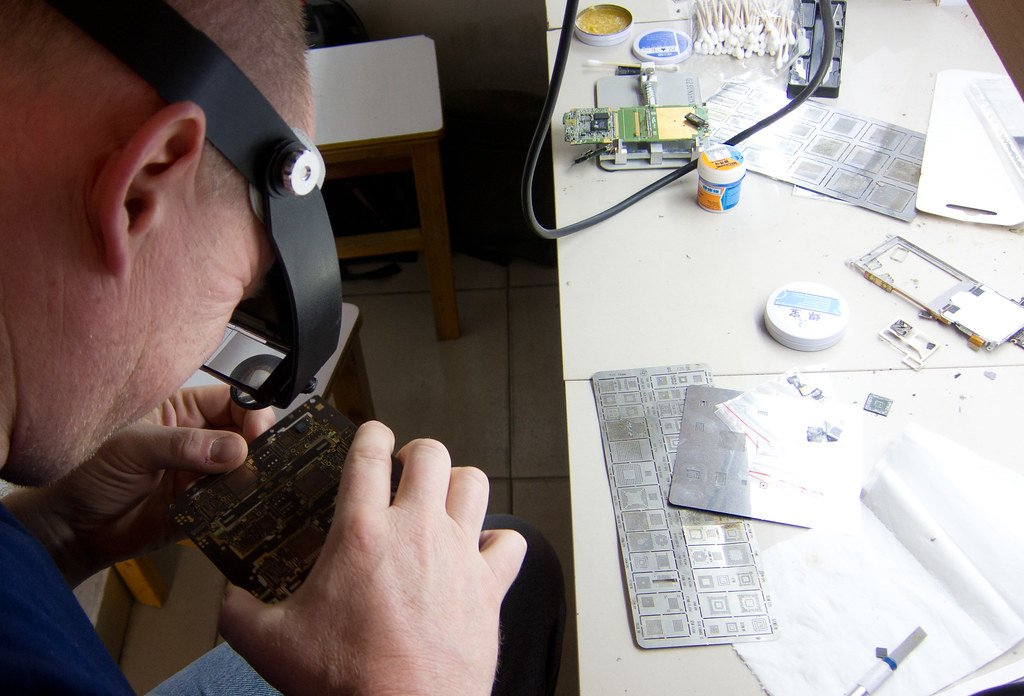
The image below shows an older smartphone motherboard being inspected. It is included to illustrate the densely packed, soldered construction of mobile electronics, not to suggest the pictured iPhone 5 used reclaimed RAM.
What happens next
The next questions are whether suppliers and manufacturers publish clearer information about reused parts, how recovered chips are screened, and whether warranty support changes as adoption grows. Independent long-term reliability data will be essential to assessing the practical impact.
For now, the documented finding is narrower than some dramatic headlines: rising memory prices are encouraging some low-cost smartphone manufacturers to reuse RAM, and researchers expect the practice to expand in 2027. The exact brands, models and consequences for U.S. buyers remain unconfirmed.
Sources and image credits
- TrendForce, November 6, 2026 — primary research and smartphone adoption forecast.
- The Korea Herald, November 12, 2026 — reporting on memory supply and reuse.
- Tom’s Hardware, November 2026 — independent coverage of chip reballing.
- Gadget Review, November 9, 2026 — the original story that prompted this report.
- Featured photograph: “Piramyd reball” (2014), FPusca / Wikimedia Commons, CC BY-SA 4.0; archival demonstration, not a photograph of a manufacturer identified in this report.