OSAKA, Japan, Nov. 18, 2026 — Osaka has confirmed that 1,078,713 email addresses associated with its online administrative services were exposed through a cyberattack on a third-party email delivery provider. The city announced the number on November 13. The breach is part of a wider attack against the Arara Message service, affecting organizations beyond city government.
The breach does not establish that attackers directly entered Osaka’s municipal application database. TKC Corporation, which supplies the city’s administrative online system, says no direct intrusion into its own systems or data centers had been confirmed.
Osaka identifies 1.08 million email addresses
In its November 13 public statement, Osaka identified 1,078,713 email addresses belonging to people who received city online-service messages between July 1 and October 31, 2026. These messages covered account registration, sign-ins, password changes, applications and other administrative notices.
The city said a mass notification sent to registered users on September 16 partly explains the scale. The figure represents email addresses, not necessarily an equal number of individual residents. The official disclosure did not confirm that city application records, identity numbers or financial information were stolen.
Osaka warned residents to treat unexpected messages claiming to be from the city with caution, avoid suspicious links and attachments, and never supply passwords, credit-card information or payments in response. Individual notification of affected users was under consideration.
The broader Arara cyberattack
Arara reported that 81,329,467 distinct email addresses were stolen or potentially stolen across affected environments, with as many as approximately 380 business clients possibly affected. Depending on the client, exposed information may also include names, telephone numbers, dates of birth and addresses. These broader categories should not be confused with Osaka’s city-specific finding of exposed email addresses.
The company said attackers used the service to send up to roughly 7.13 million fraudulent emails between October 28 and October 30, impersonating credit-card companies. It stopped the Arara Message service on October 31 while examining the intrusion. The company said its service did not hold credit-card numbers, and urged people who entered payment details on suspicious websites to contact their card issuers.
Supplier says the city application platform was not directly breached
In a November 6 statement, TKC said the attack affected a subcontractor’s external email distribution service, and that unauthorized access to TKC systems, its data centers or municipal online application service had not been confirmed. The statement describes the confirmed scope at that time, not a guarantee that no further findings will emerge.
Why the incident matters in the United States
Public agencies in the United States rely on outside service providers for notices, online applications, payments and other communications. Osaka illustrates a familiar supply-chain risk: a city may secure its primary systems yet still expose residents to impersonation attempts when a contractor holds valuable contact data.
Municipalities can mitigate this risk by limiting what personal information messaging vendors store, setting retention and deletion standards, verifying subcontractor security measures, requiring prompt incident notifications and preparing public alerts when government-branded messages become suspect. The U.S. Cybersecurity and Infrastructure Security Agency publishes resources on technology supply-chain security.
Nothing in the cited public notices establishes that U.S. municipal networks were breached in this incident.
What investigators have not yet established
Arara’s November 6 disclosure said investigators were still identifying the attack route and full scope. The provider said resuming its messaging service would depend on remediation, independent security assessment and customer authentication resets. Osaka said it would continue examining how outside service providers handle public information and implement additional safeguards.
Sources
Osaka City, November 13 notice · Osaka public guidance · Arara, November 6 disclosure · TKC, November 6 statement · TechRadar
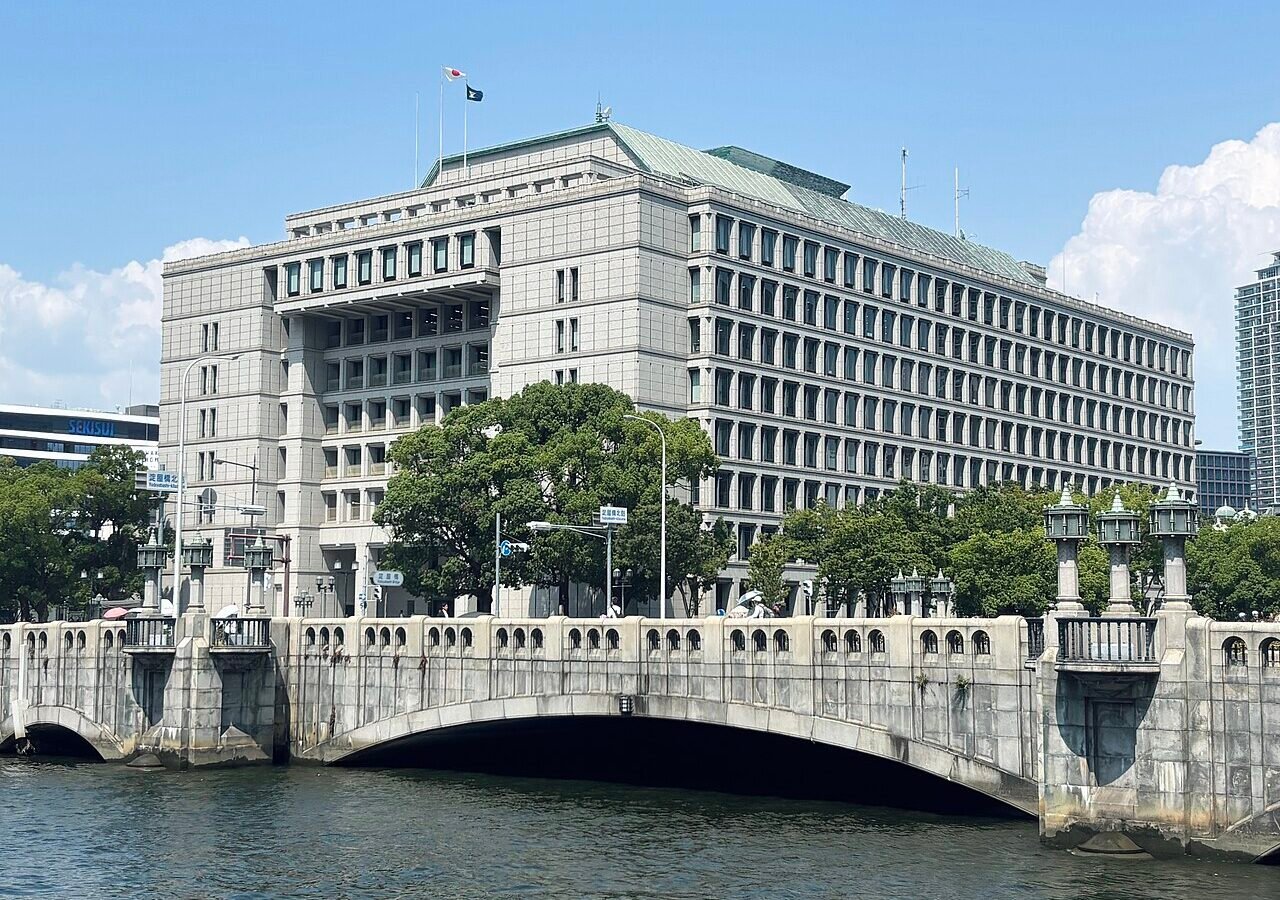
Featured photograph: Osaka City Hall, photographed July 24, 2026 by Sakai Yayoi. Wikimedia Commons, CC0 1.0 public-domain dedication. This is an archival exterior photograph, not an image of the intrusion.