VIRGINIA — Electronic speed-limiting devices are now part of Virginia’s response to serious driving offenses. The state’s Intelligent Speed Assistance Program (ISAP), which took effect July 1, 2026, allows eligible motorists to maintain restricted driving privileges by using technology that prevents their vehicles from accelerating beyond the applicable speed limit.
These devices are real. But the suggestion that every American driver is about to have one installed is misleading. Virginia’s program targets qualifying drivers, including some convicted of reckless driving, rather than all privately owned cars. Other states are adopting or debating related requirements, and the legal details differ by jurisdiction. Virginia DMV and National Conference of State Legislatures explain the distinction.
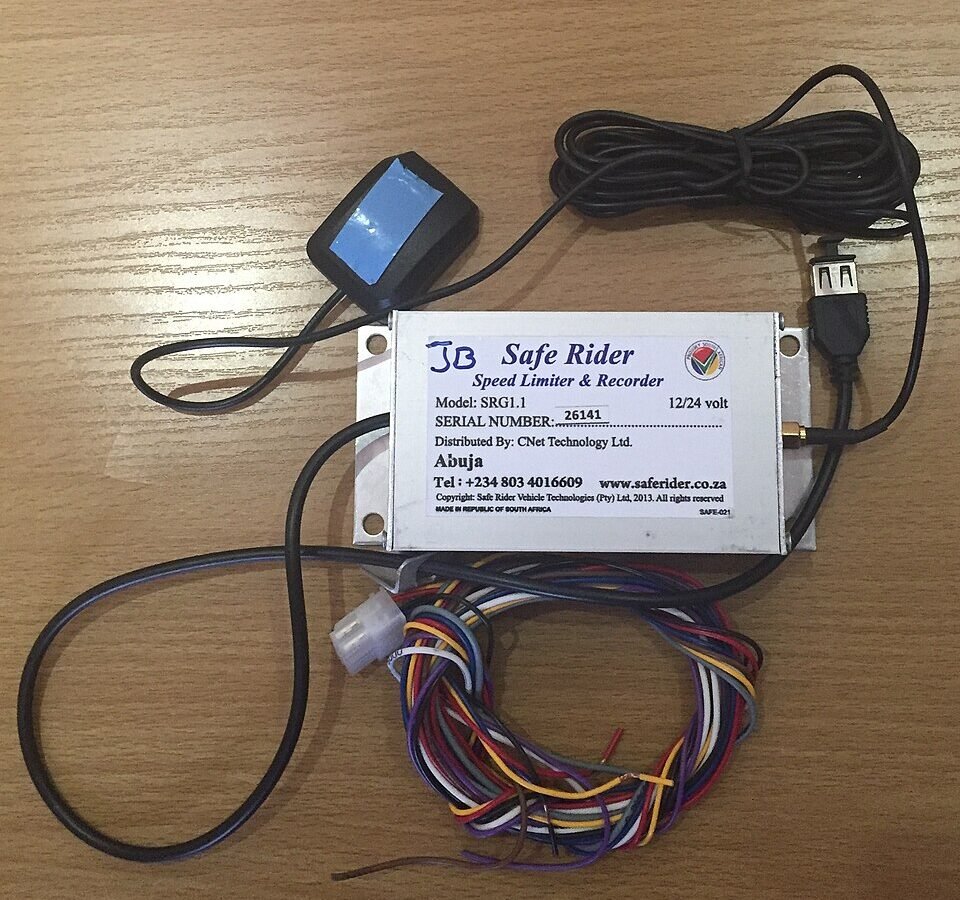
Featured image: A Safe Rider conventional speed-limiter device photographed in Nigeria in 2015. It illustrates electronic speed-limiting hardware, not the GPS-based intelligent speed-assistance device now required for certain Virginia drivers. Photo: Sunniebill / Wikimedia Commons, CC BY-SA 4.0. The source image was resized for display.
How GPS-linked speed controls work
Active intelligent speed assistance uses vehicle-location information and a map of local speed limits—or, in some designs, road-sign recognition—to determine an allowable speed. The aftermarket system interfaces with the vehicle to restrict additional acceleration after that threshold is reached. It does not apply the brakes or turn off the engine. This is different from passive speed-warning features that merely alert drivers. NHTSA describes these technologies.
Virginia’s program allows two temporary overrides per drive cycle, according to the Virginia Alcohol Safety Action Program (VASAP). Reporting by The Drive describes each override as lasting 30 seconds and permitting up to 5 mph beyond the posted limit. The feature is designed to give drivers limited flexibility in circumstances such as merging.
Why a mistaken speed limit matters
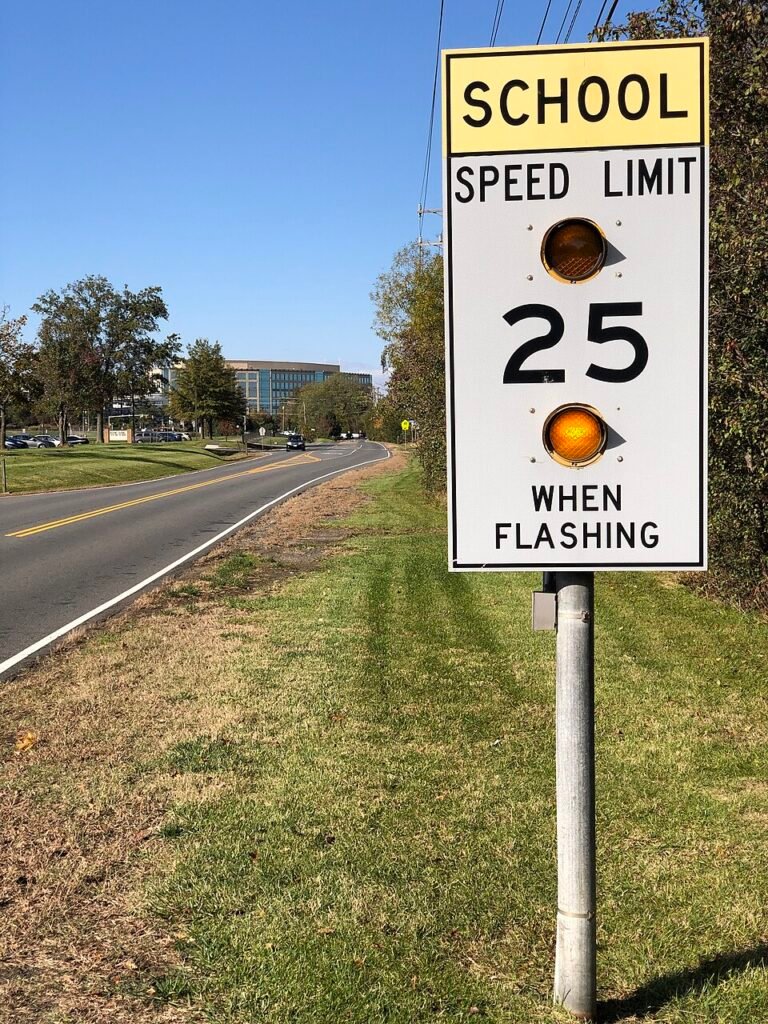
A GPS-linked system is only as reliable as its location estimate and digital speed-limit data. Parallel roadways, ramps, recently changed limits and construction areas can make the correct restriction difficult to identify. The Drive reported early driver complaints about GPS drift, including situations where a system appeared to associate a faster road with a slower adjacent street.
That does not mean the device suddenly engages the brakes. Rather, an incorrect lower limit can prevent further acceleration until the reading is corrected or an authorized override is used. A 2026 U.S. Department of Transportation–New York City fleet evaluation also documented difficulties assigning speed limits near highways and service roads, underscoring why accuracy checks are necessary.
The Virginia statute expressly calls for certified systems that work accurately and reliably and do not impede safe vehicle operation. Those standards are important; they do not make errors impossible.
What the program costs drivers
VASAP’s published fee schedule lists a $50 monthly monitoring charge, an installation charge of up to $100, and leasing and maintenance charges of up to $130 per month. Together, the maximum listed recurring fees total $180 a month, excluding installation. The published schedule lists no removal fee. Actual costs depend on the provider and participation period. Virginia law also establishes assistance for drivers found unable to pay.
The requirement can extend beyond one household vehicle. According to VASAP, a participant must use a functioning, certified device in every vehicle they operate during the program, including another person’s vehicle with the owner’s consent. Missing required inspections or tampering with the equipment can bring additional compliance consequences. Source: VASAP program FAQs.
What happens to location and driving data?
Virginia law requires an electronic log of the driver’s experience and a mechanism to deliver information to program administrators. VASAP says device reports are official records and may be used in court proceedings. Proposed technical rules describe reporting of speed exceedances, time spent over the limit and GPS location. As of November 19, 2026, the statewide regulatory rulemaking process was still in development, so the distinction between law, interim operating guidance and proposed rules matters.
Those rules raise questions about retention, access, the ability to contest incorrect records and safeguards when a vehicle is shared. The legal purpose is traffic safety, but an enforceable program also needs transparent procedures for resolving errors. Sources: Virginia Code § 46.2-507; Virginia regulatory docket.
Other states are considering or deploying the approach
Washington, D.C., has an active program for certain people convicted of aggravated reckless driving. Washington state and several other jurisdictions have enacted or proposed related measures. But a bill’s introduction is not the same as an operational program; eligibility, timing and implementation vary. NCSL’s interstate policy overview tracks that difference.
New York City has also used intelligent speed assistance in its municipal vehicle fleet, a separate policy from restrictions on individual private motorists. A 2026 peer-reviewed evaluation of 270 ISA-equipped fleet vehicles found a 64.18% relative reduction in time spent more than 11 mph over the speed limit following activation. That is a measure of severe speeding, not proof of a 64% decrease in crashes or deaths. The study’s vehicles and programmed thresholds also differed from Virginia’s court-directed program.
What the viral video gets right—and what needs context
The video correctly describes the central mechanism: a GPS-informed device can limit acceleration, and errors in road identification are a genuine concern. About 100 installations in Virginia were reported in early November by The Drive, which attributed its reporting to other coverage and officials. But the video’s suggestion that devices will soon be broadly imposed on U.S. vehicles omits a critical distinction: most existing programs target selected drivers or government fleets, and many other bills remain proposals.
For background, see the “Speed Limit Literally Enforced” YouTube Short supplied to Khemetic.News. This article independently cross-checks its core factual claims rather than adopting the video’s commentary.
The policy question ahead
Intelligent speed assistance offers courts another tool to address serious speeding while preserving restricted mobility for some drivers. But effectiveness needs to be judged against safety outcomes, software accuracy, privacy protections and the financial burden on families—not installation totals alone.
Sources and documents
- Virginia DMV — Intelligent Speed Assistance Program
- Virginia Code § 46.2-507
- VASAP program FAQs, costs and enforcement
- Virginia regulatory docket
- National Conference of State Legislatures — Active ISA
- Epstein et al. (2026), Traffic Safety Research — New York City ISA evaluation
- The Drive — Nov. 6, 2026 reporting