BRIDGETOWN, Barbados, Nov. 17, 2026 — Barbados and the United Nations are preparing to convene a special summit on artificial intelligence safety on November 23, bringing an international debate about testing powerful AI systems to the Caribbean. The meeting is expected to include government representatives, scientists, technology companies and civil-society participants.
The U.N. Office for Digital and Emerging Technologies identifies Barbados Prime Minister Mia Amor Mottley and U.N. Secretary-General António Guterres as participants. Barbados newspaper Nation News reports that discussions will address risk management, access to AI technology, national preparedness and the ability of different societies to influence the systems they use.
Why Bridgetown is hosting this debate
Advanced AI tools can reach countries long before those governments have independent research labs, evaluation systems or large teams of technical specialists. That gap matters when AI is used in education, health services, public administration and local languages.
Organizers have framed the summit around common approaches to assessing risks, building local capacity and sharing the benefits of AI more widely. The agenda also includes inclusion and cultural and linguistic representation, areas that matter to communities whose languages and histories are underrepresented in commercial training data.
What is scheduled — and what is not
The November 23 event is planned alongside a meeting of the U.N.’s Independent International Scientific Panel on Artificial Intelligence. Reports of the organizers’ plans say experts and companies have been invited to discuss safety evaluation. That does not mean the panel has already agreed on a regulatory standard, or that the summit will produce a treaty.
Why American AI companies and users should pay attention
Many widely used AI systems are developed or sold by U.S.-based companies. Conversations about independent evaluation, disclosures, cross-border safeguards and language access could influence procurement requirements and customer expectations in other countries even without an immediate U.S. federal law.
For American researchers, civil-rights groups and community organizations, the summit also raises a question about whose evidence counts in risk testing. Evaluations that overlook less common languages, disabled users or communities with limited technical resources may miss harms that standard benchmarks do not measure.
The event’s international nature is no guarantee of broad agreement. Nations differ on regulatory authority, innovation priorities, privacy protections and available resources. No complete list of confirmed U.S. company or government attendees was established in the public materials reviewed for this advance report.
What to watch on November 23
The verifiable next steps are the final participant list, any published joint statement, recommendations from technical experts and evidence of practical funding or capacity-building commitments. Those outcomes should be judged by the actual documents released, not by promises that a global AI rulebook has already arrived.
Sources and photo credit
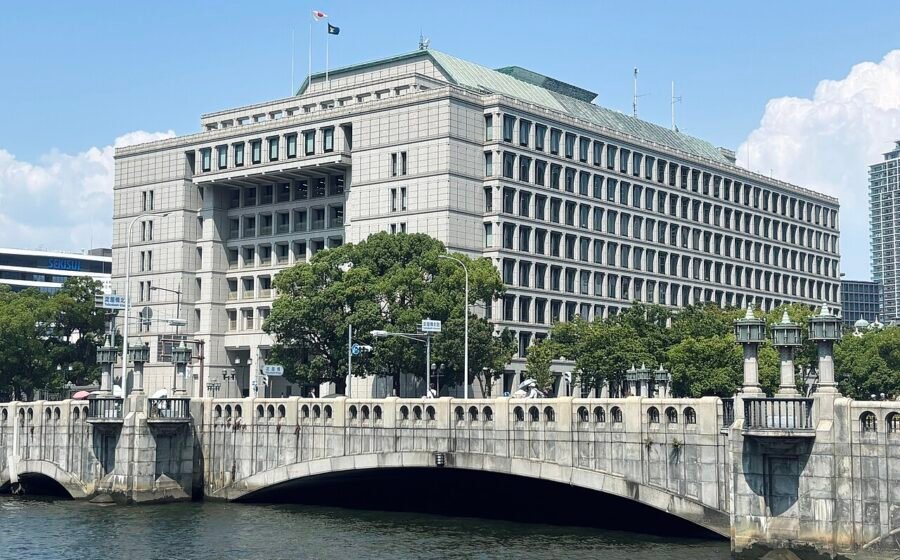
U.N. summit announcement; Nation News, October 31, 2026. Featured photograph: archival Bridgetown city view by David Berkowitz, CC BY 2.0; the image is not from the future summit.