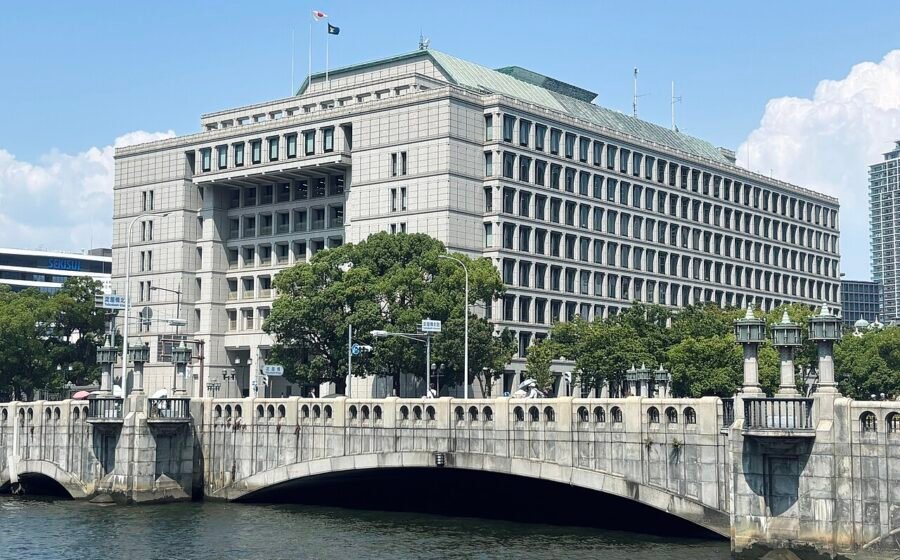
WASHINGTON and GUATEMALA CITY, Nov. 17, 2026 — The U.S. Treasury Department on November 13 imposed sanctions on two Guatemala-based drug-trafficking organizations, Los Mendoza and Los Huistas, accusing them of supporting powerful Mexican cartels and helping move narcotics through Central America toward the United States.
The Treasury announcement identifies the groups as logistics intermediaries for the Sinaloa Cartel and the Cartel de Jalisco Nueva Generación (CJNG). The State Department separately announced terrorism-related designations involving Los Lorenzanas. Guatemala’s government acknowledged the U.S. actions the same day.
What the sanctions do — and do not prove
Under Treasury’s rules, property and property interests of blocked parties that are in the United States or controlled by U.S. persons generally must be frozen and reported. Certain entities owned 50 percent or more by blocked persons may also be covered. U.S. persons generally face restrictions on dealing with those parties.
An administrative designation has substantial legal and financial consequences, but it is not the same as a criminal conviction of every person associated with a named network. Treasury’s statements describe the U.S. government’s findings and allegations; a complete, independently adjudicated record of every claimed activity was not supplied in the public notice.
Guatemala is facing mounting security pressure
Treasury says Los Mendoza and Los Huistas facilitate storage, transport and protection of illicit shipments near Guatemala’s borders with Mexico and Honduras. Los Huistas had already faced U.S. narcotics sanctions in 2022; the new measures add terrorism-related consequences according to the November 13 designation notices.
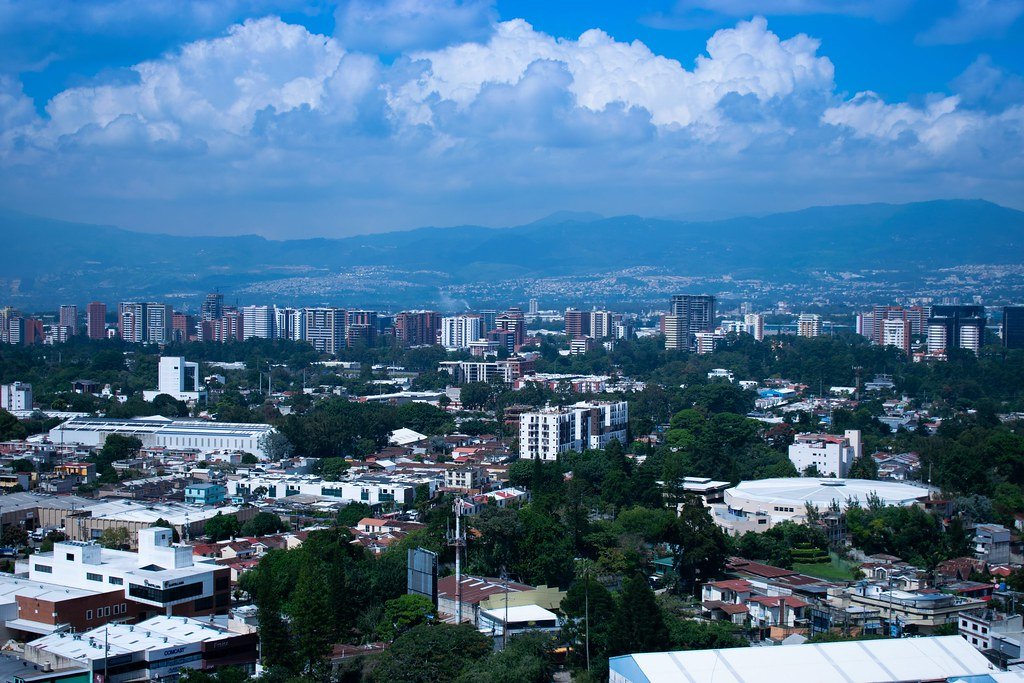
Separate Associated Press reporting on November 16 described Guatemala’s security forces inspecting operations in border departments after President Bernardo Arévalo declared a 30-day state of siege amid drug-related violence. That development is related regional context; the public records do not establish that the U.S. sanctions directly caused Guatemala’s emergency measures.
Why the United States is involved
U.S. authorities describe the Guatemalan networks as parts of routes feeding the cross-border drug market. Sanctions seek to isolate money, property and business relationships rather than replace policing or courtroom proceedings. Their practical impact depends on financial tracing, cooperation among governments and enforcement against evasion.
The designations may also affect banks, importers and companies that must screen transactions against the U.S. sanctions list. Ordinary Guatemalans, however, should not be conflated with groups named by regulators: the measure targets specified organizations and covered persons, not the country’s population as a whole.
What is still unknown
The immediate public notices do not quantify how much money will be frozen, how many shipments will be interrupted or whether the new measures will measurably reduce drug deaths in the United States. Those outcomes will require future evidence, not predictions presented as fact.
Sources and photo credit
U.S. Treasury, November 13 release; OFAC designation record; Government of Guatemala statement; AP, November 16 reporting. Featured image: U.S. Treasury Department, by *rboed*, CC BY 2.0; archival view of the sanctioning agency.