OPINION | By Lotta Goddess | November 15, 2026
A polished kitchen surface can look permanent. A stoneworker’s healthy lungs are not replaceable. That is the moral distinction the American countertop business needs to confront as silicosis cases expose the risks behind some engineered-stone products.
This is not an argument that every stone surface causes disease or that any single material is hazardous to every person who uses it in a finished kitchen. The danger arises when workers inhale fine crystalline silica dust during cutting, grinding, drilling and finishing. Those workers deserve the central place in a conversation too often shaped by style, price and the final appearance of a renovation.
The evidence is no longer obscure
The Centers for Disease Control and Prevention’s National Institute for Occupational Safety and Health reported in January 2026 that engineered-stone materials can contain more than 90% crystalline silica. NIOSH described silicosis as an irreversible occupational lung disease and cited California inspections in which 51% of inspected stone fabrication shops had at least one worker exposed above the occupational limit.
A 2025 peer-reviewed California surveillance study documented severe outcomes in workers with silicosis, including deaths and lung-transplant referrals. Those findings do not tell us the risk in every workshop. They do show why exposure prevention cannot be treated as optional.
Our newsroom also recently reported on California stoneworkers and calls for restrictions on high-silica countertops. This commentary takes a different step: asking what a responsible market should demand before the next slab is sold.
Safety cannot end at a warning label
OSHA and NIOSH’s updated February 2026 hazard alert addresses exposure during countertop production, finishing and installation. OSHA has identified water-fed tools, local exhaust ventilation and isolation of dusty processes among protective measures. These are concrete workplace controls, not suggestions to simply work more carefully.
Manufacturers and fabrication businesses should have to demonstrate that controls actually keep exposures within legal limits. That calls for training workers in languages they understand, regular exposure measurements, enforceable standards and clear reporting when a shop cannot operate safely.
There is also an honest policy debate over whether extremely high-silica products should remain available even with controls. Some businesses argue that better equipment and enforcement can manage the risk. Worker advocates question whether unevenly resourced small shops can consistently do so. Both questions deserve rigorous evidence rather than blanket assurances.
Buyers have a role, but regulators have the duty
Homeowners can ask contractors what material they are buying, which shop fabricates it, whether wet cutting and ventilation are used and how workers are protected. But consumers should not be made the sole inspectors of hidden workplace hazards. Companies and public agencies possess the knowledge, records and enforcement authority needed to prevent exposure.
The goal should not be to shame families for renovating a kitchen. It should be to ensure that an attractive countertop never depends on a worker sacrificing long-term health. America’s skilled trades deserve innovation that makes their work safer—not an endless parade of new finishes with old hazards attached.
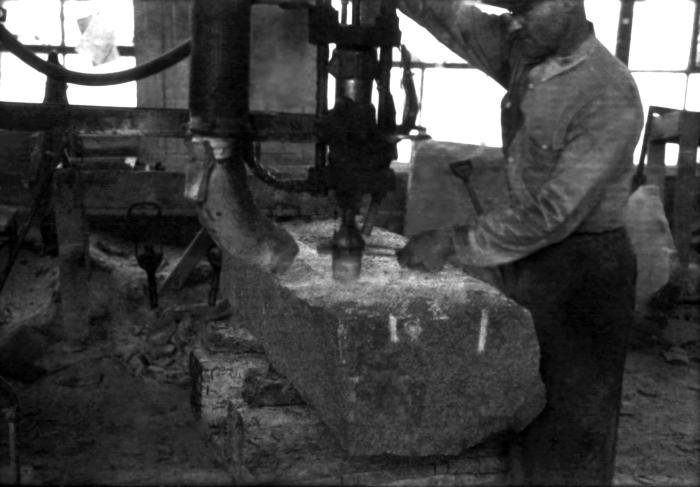
Photo note: the 1947 CDC/NIOSH photograph accompanying this article is archival and depicts granite work, not a modern engineered-stone shop.