LONDON and WASHINGTON, Nov. 17, 2026 — The International Maritime Organization (IMO) is calling on governments and ship operators to enforce maritime safety rules after documenting more than 130 attacks against internationally trading commercial vessels in the Strait of Hormuz since February 28. The U.N. shipping agency says at least 25 seafarers have died amid the conflict affecting the region.
In a November 11 statement, Secretary-General Arsenio Domínguez urged flag states, port states and coastal states to use their respective legal responsibilities to address unsafe practices. The warning followed discussions at the IMO Council’s November 2–6 session in London.
Why the agency says basic shipping rules matter
The IMO says commercial crews face dangers from armed attacks as well as inadequate regulation. Its statement highlighted reports of ships concealing identification numbers, using fraudulent registrations or false flags, and operating below required safety standards.
Domínguez warned that shipowners should not send mariners into conditions posing unacceptable risks. His call is aimed not only at combatants but also at shipping companies and maritime authorities whose enforcement decisions affect what happens before a vessel sails.
The IMO Council’s 138th-session summary also condemned attacks on merchant shipping in the Red Sea and Black Sea, and noted 17 attempted or actual piracy and armed-robbery incidents in the western Indian Ocean and Gulf of Aden region since the start of 2026. These are distinct waterways and incident categories; they should not be added together into one global attack count.
What this means for American businesses and consumers
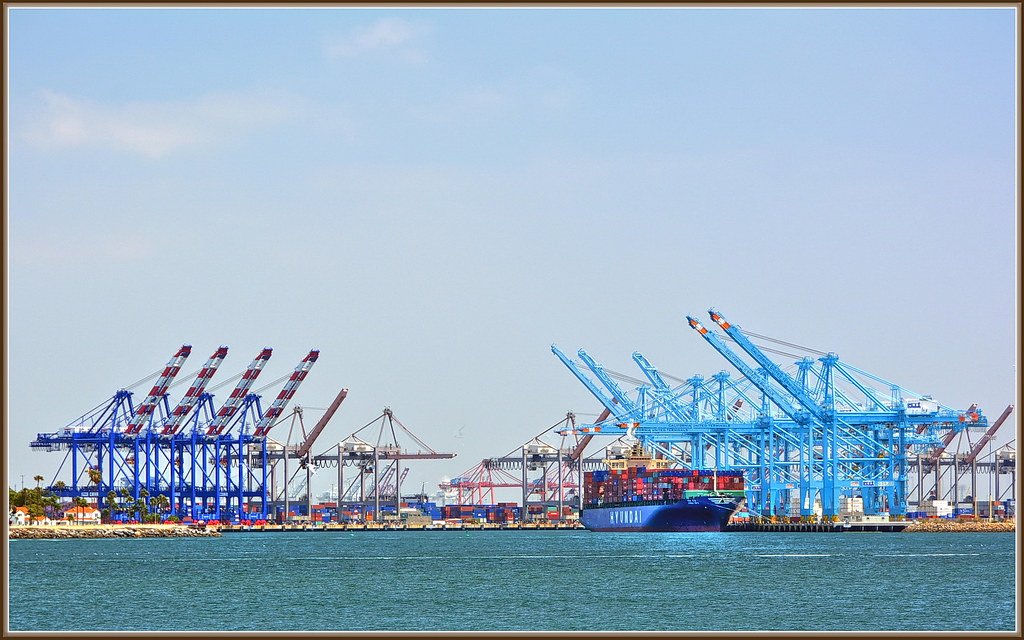
The United States relies on global ocean transport for imported goods, energy-related supply chains and exports. Disruption in a major maritime chokepoint can lead carriers to reconsider routes, security arrangements and insurance. Those costs may eventually affect freight prices or delivery schedules, but the IMO’s November statements do not put a specific dollar figure on any resulting increase for U.S. households.
Shipping insecurity also affects Americans serving on vessels and international crews working for carriers that supply U.S. ports. The human cost is more immediate and directly documented than any projected change in retail prices.
What international action has actually happened
The IMO Council reaffirmed the need for safe navigation, condemned the attacks and requested continued monitoring. Those statements are significant diplomatic and regulatory positions, but they are not proof that a ceasefire, new escort operation or enforceable global shipping agreement has been adopted.
The immediate questions are whether governments enforce ship-registration and safety obligations, whether operators reduce exposure for crews, and whether verified attack numbers change as investigations continue.
Sources and photo credit
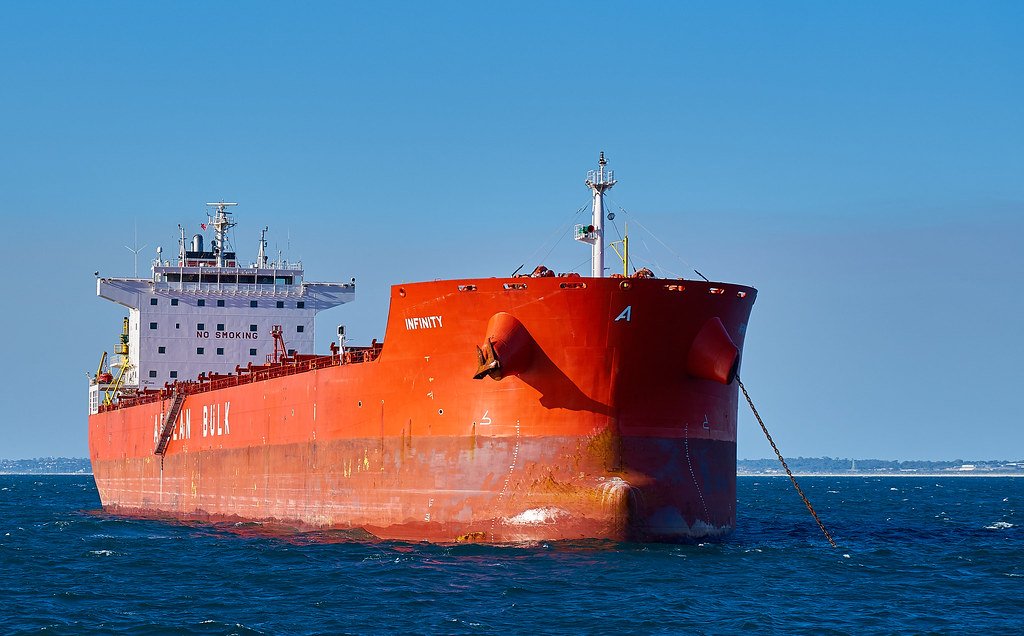
IMO statement, November 11, 2026; IMO Council release, November 6; IMO Council session summary. Featured photograph: archival commercial cargo ship by szeke, CC BY-SA 2.0; not a photograph of an attacked vessel.